- +234 8067658135
- info@afrydev.org

African Youth for Peace Development and Empowerment Foundation
Yet another awesome website by Phlox theme.
Project Status: Completed
European Union Support to Early Recovery from Conflict and Resilience Building
Project Focus Area
Social-Economic Development and Social Development
Project Start Date
August 1, 2020
Project End Date
January 30, 2022
Total Project Budget
N63,000,000
Project Location
Damaturu, Potiskum and Gujba LGAs, Yobe State
Name of Donor
International Alert under EU-funded consortium project
Project Summary
In conflict affected Yobe State, Nigeria, weak social cohesion persists due to suspicions and violence. Boko Haram’s association brings stigma to women, girls, and their children. International Alert, in an EU-funded consortium led by Save the Children, promotes early recovery. They prioritize conflict sensitivity and foster social cohesion. AFRYDEV supports social cohesion initiatives in project sites.
Key Outcome
- Enhanced Social Cohesion: Through the efforts of International Alert and the consortium, social cohesion in conflict affected Yobe State is improved, fostering trust and cooperation among community members.
- Reduced Stigma and Discrimination: Women, girls, and their children affected by Boko Haram experience a reduction in stigma and discrimination, allowing them to reintegrate into society with dignity and respect.
- Strengthened Conflict Sensitivity: The integration of conflict sensitivity by International Alert throughout consortium activities enhances understanding and response to conflict dynamics, ensuring effective and sustainable interventions.
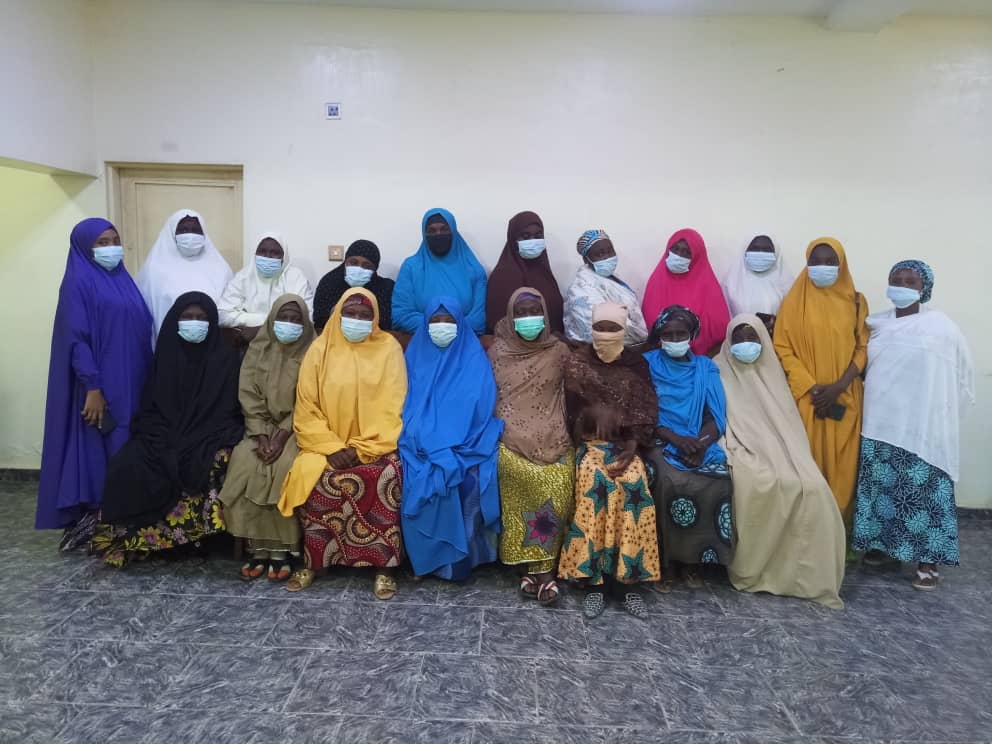
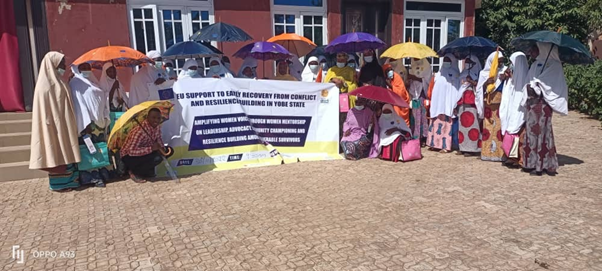
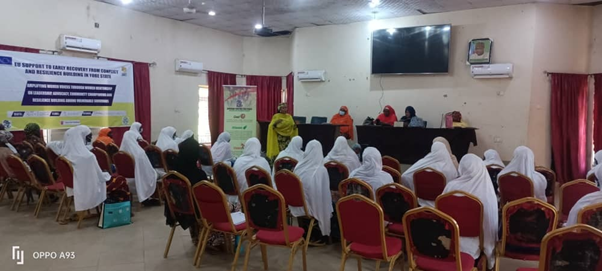
Project Gallery

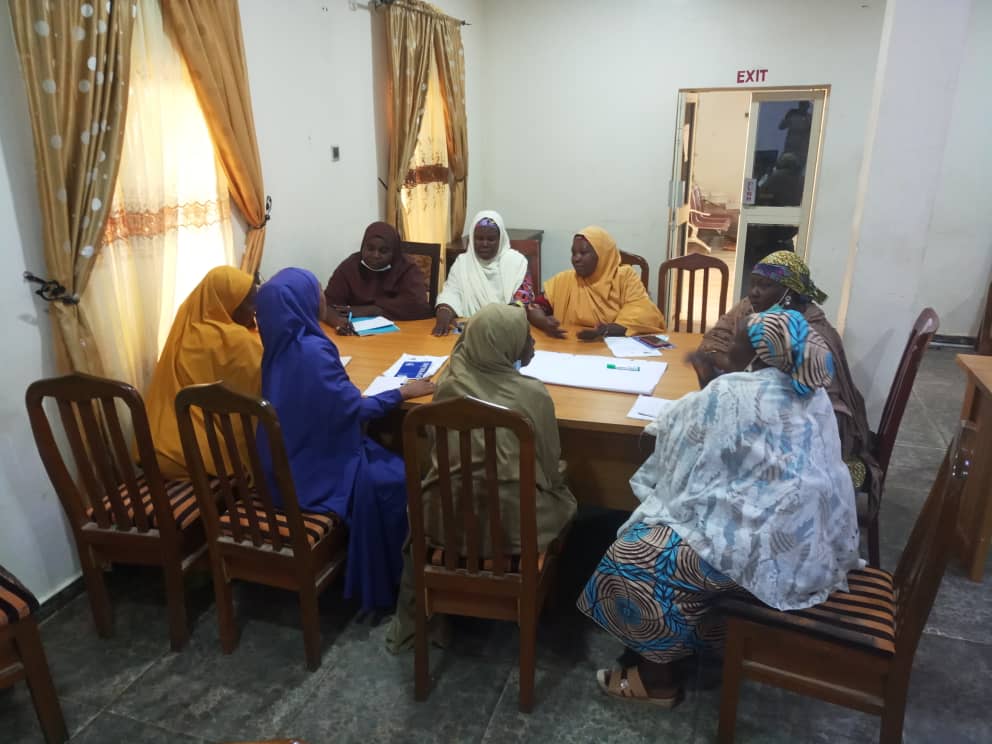
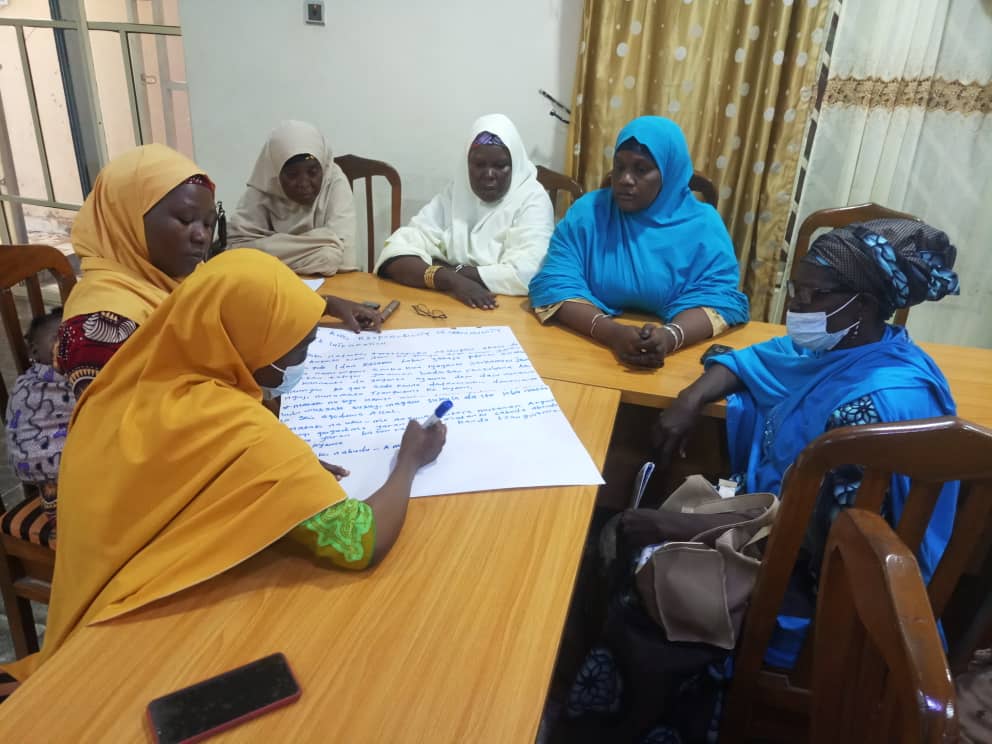
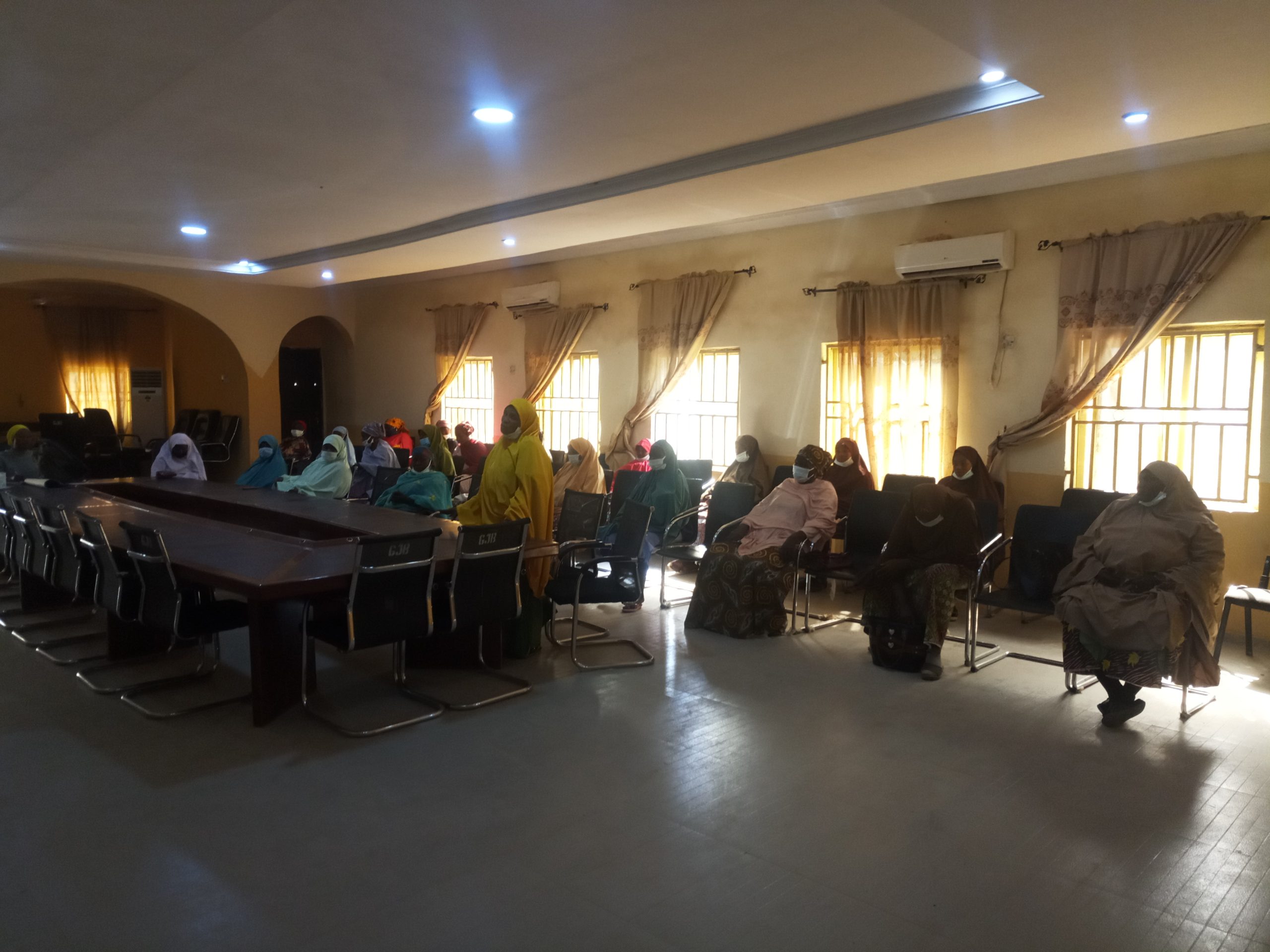
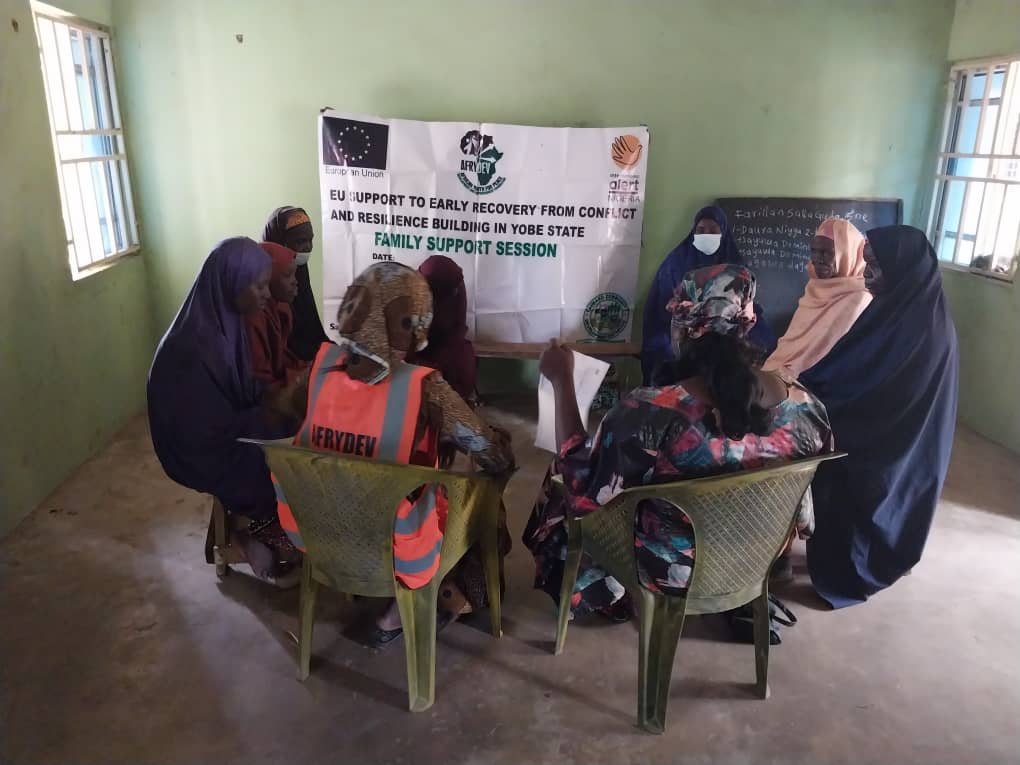
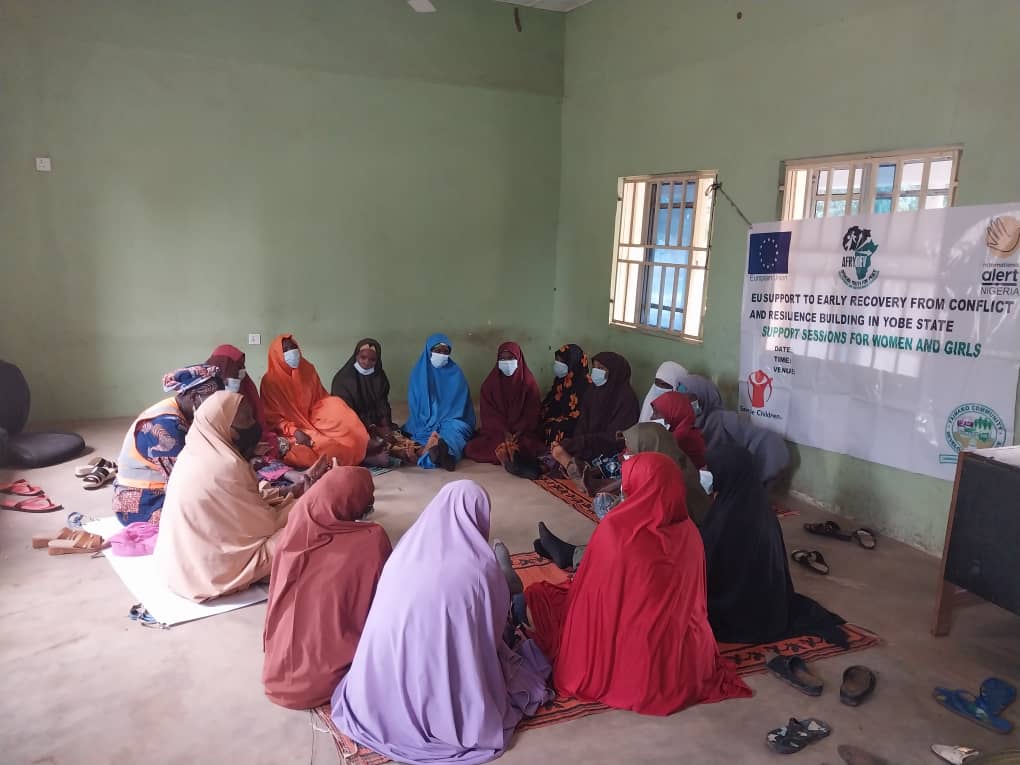
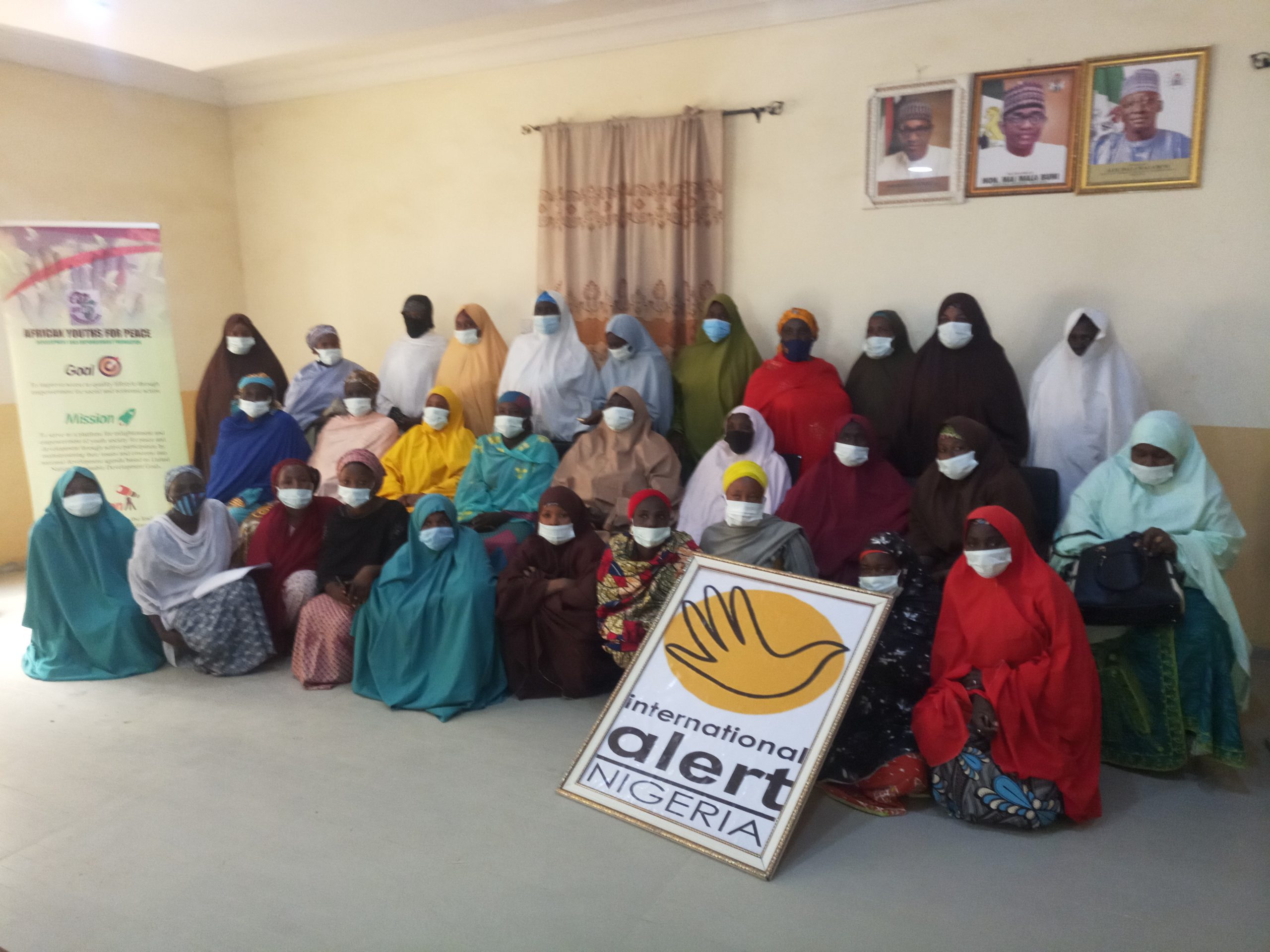
Ibrahim Babangadi - Community Member of Pompomari
We have witnessed a remarkable transformation in our community. The promotion of social cohesion has brought us closer together, bridging divides and building a sense of unity.
Amina Baba
The project has played a crucial role in breaking down stereotypes and prejudices. Women, girls, and their children are now seen as survivors, deserving of support and understanding.
Yerima Isa Project Stakeholder from MYSSD
Conflict sensitivity has been a game-changer. It has helped us address underlying tensions and ensure our actions contribute to long-term peace and stability.
Executive Summary
Through the implementation of the EU-funded project “EU Support to Early Recovery and Resilience Building,” led by International Alert and involving AFRYDEV, significant progress has been achieved in promoting social cohesion and addressing the challenges faced in Yobe State, Nigeria. The project focused on integrating conflict sensitivity and implementing activities to foster social cohesion in the context of the conflict with Non-state Armed Groups in Northeast Nigeria, particularly Boko Haram.
AFRYDEV played a vital role in supporting social cohesion initiatives in project sites, collaborating with influential leaders, social welfare officers, and community members. Capacity-building training sessions were conducted for these key stakeholders, focusing on peacebuilding and social cohesion in the three targeted Local Government Areas (LGAs) of Damaturu, Gujba, and Potiskum. The training aimed to enhance their ability to facilitate the reintegration and reconciliation of survivors back into their respective communities.
Additionally, AFRYDEV facilitated joint problem-solving and multi-stakeholder dialogue sessions, bringing together state and non-state actors to collectively address social cohesion challenges. These dialogue sessions created a platform for strategic discussions and the identification of solutions to various issues, fostering cooperation and understanding among stakeholders.
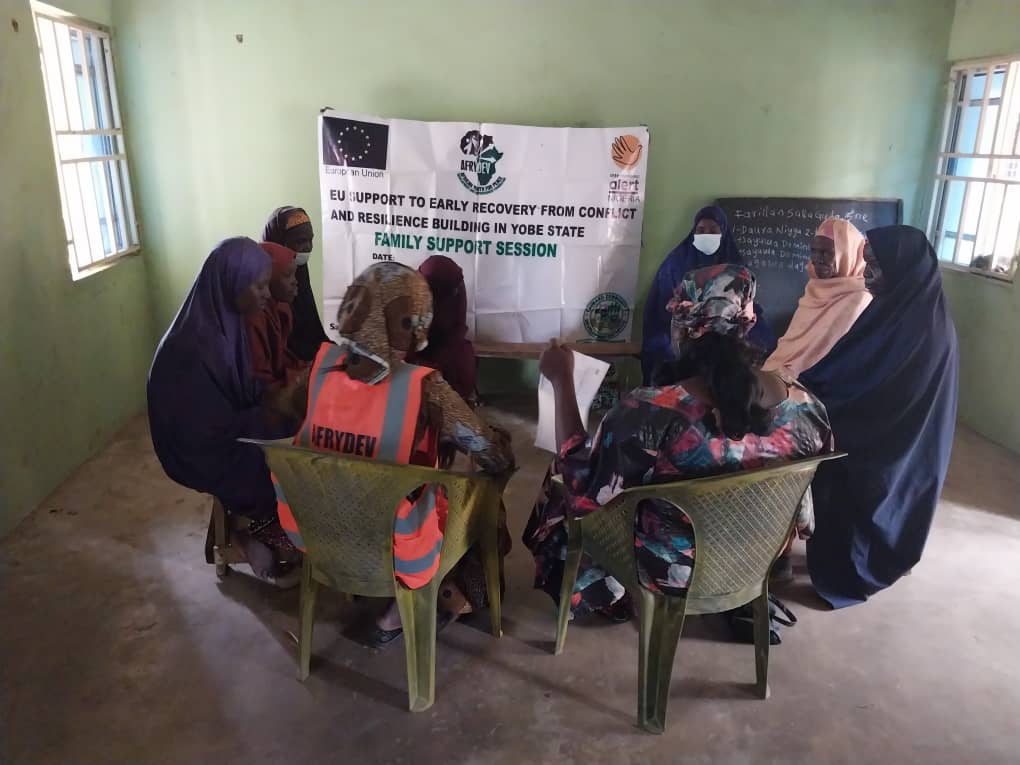
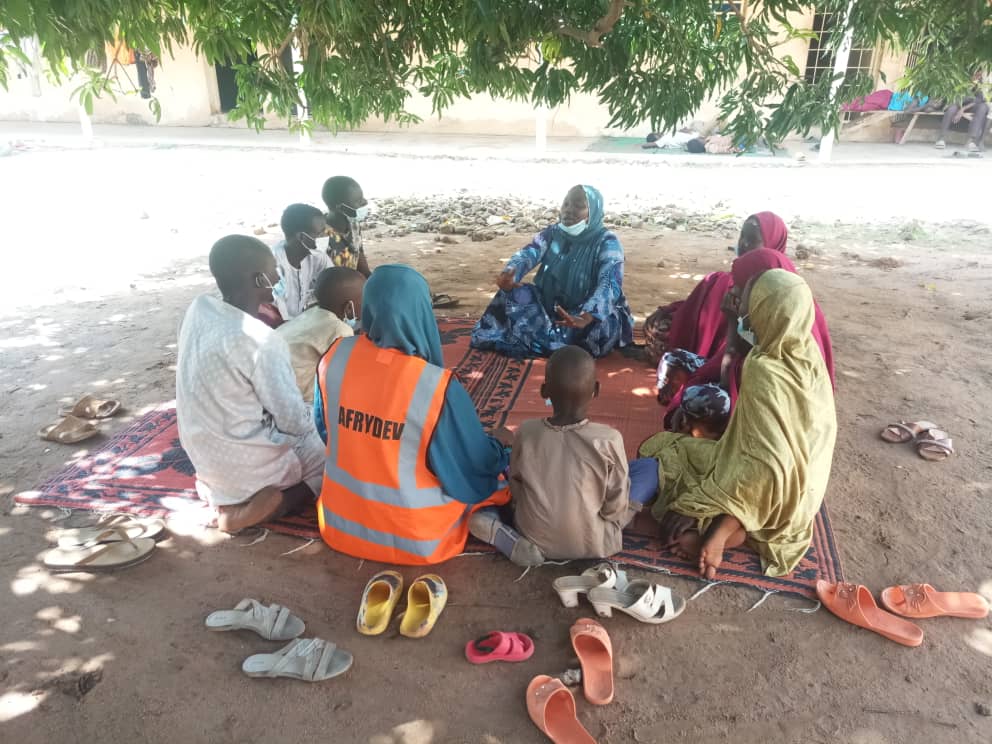
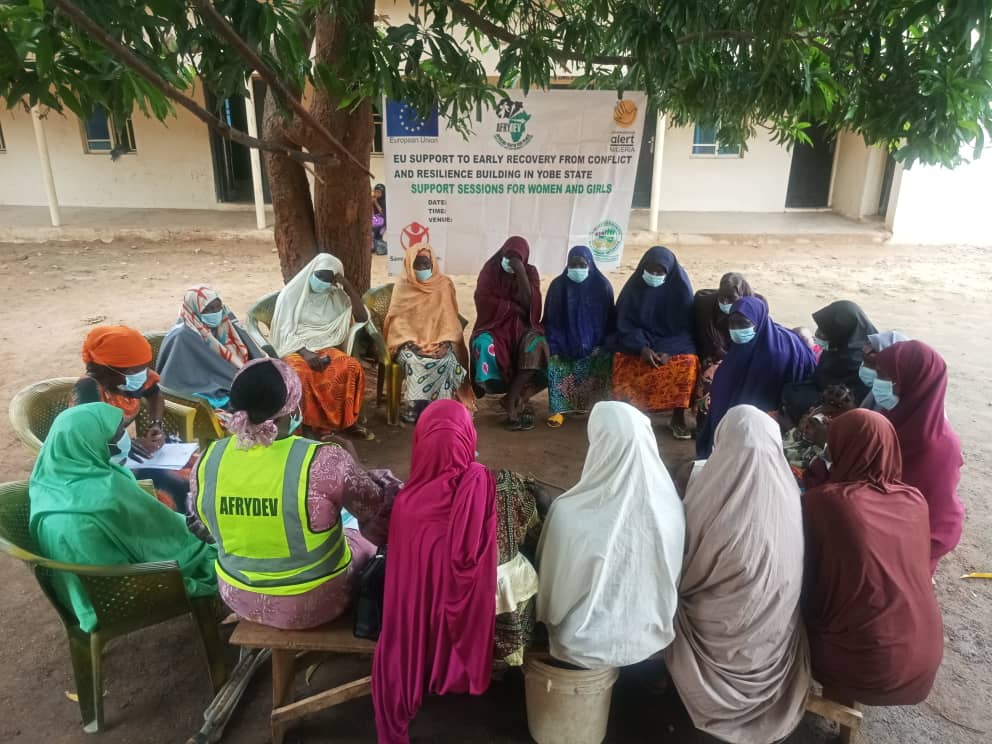
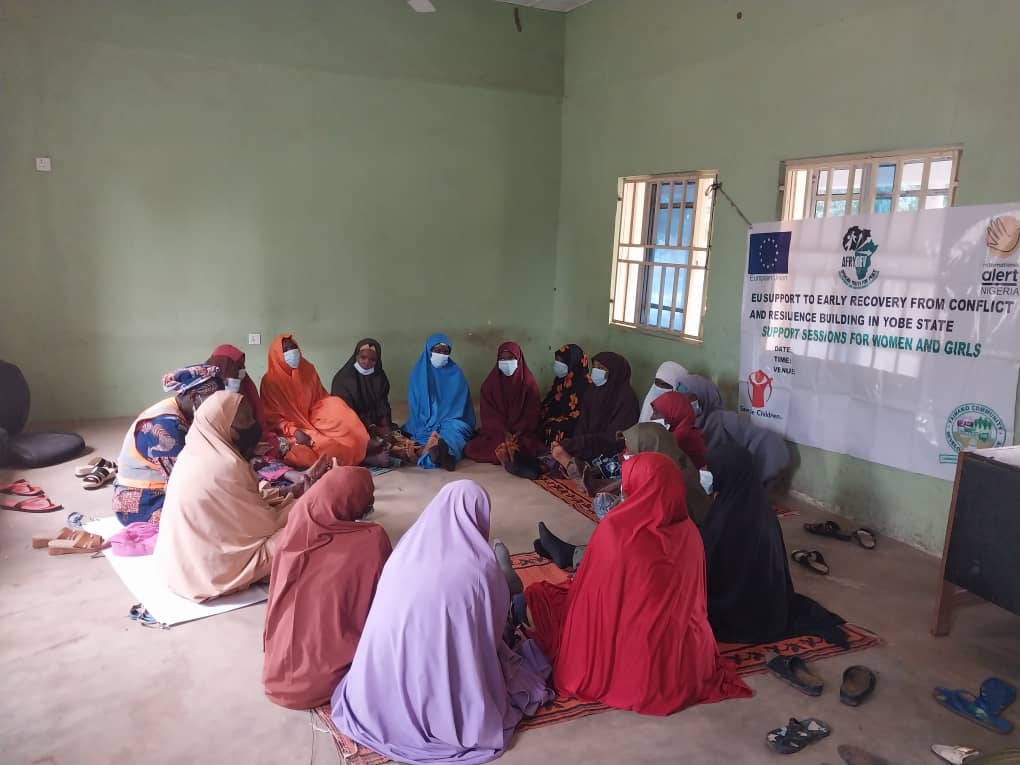
To mitigate the frustration, maltreatment, stigmatization, and marginalization faced by women and children associated with Boko Haram, AFRYDEV implemented the Support Session for Women and Girls (SSWG) program. Through psychosocial support sessions, AFRYDEV provided a safe space for 1,950 survivors to share their experiences and access peer-to-peer social support. The SSWG program helped survivors navigate their journey from trauma to recovery, empowering them to express themselves and find relief among others who had similar experiences.
Furthermore, the project aimed to counter stigma and marginalization by establishing linkages and relationships between survivors and women mentors in the state. This initiative facilitated shared learning, knowledge exchange, and positive self-esteem building among survivors, enabling them to play a more active role in their communities. Women-led mentors at the state and community levels supported the reintegration of survivors, ensuring their voices were heard and valued.
The project’s accomplishments reflect a significant step forward in strengthening social cohesion in Yobe State and creating an environment of acceptance, understanding, and support for survivors of violence associated with Boko Haram. By fostering dialogue, providing psychosocial support, and promoting shared learning, the project has contributed to building a more cohesive and inclusive society.