ITNs campaign to eradicate Malaria in Yobe State

The ITNs Campaign to eradicate Malaria in Yobe State

Project Status: Completed

ITNs campaign to eradicate Malaria in Yobe State
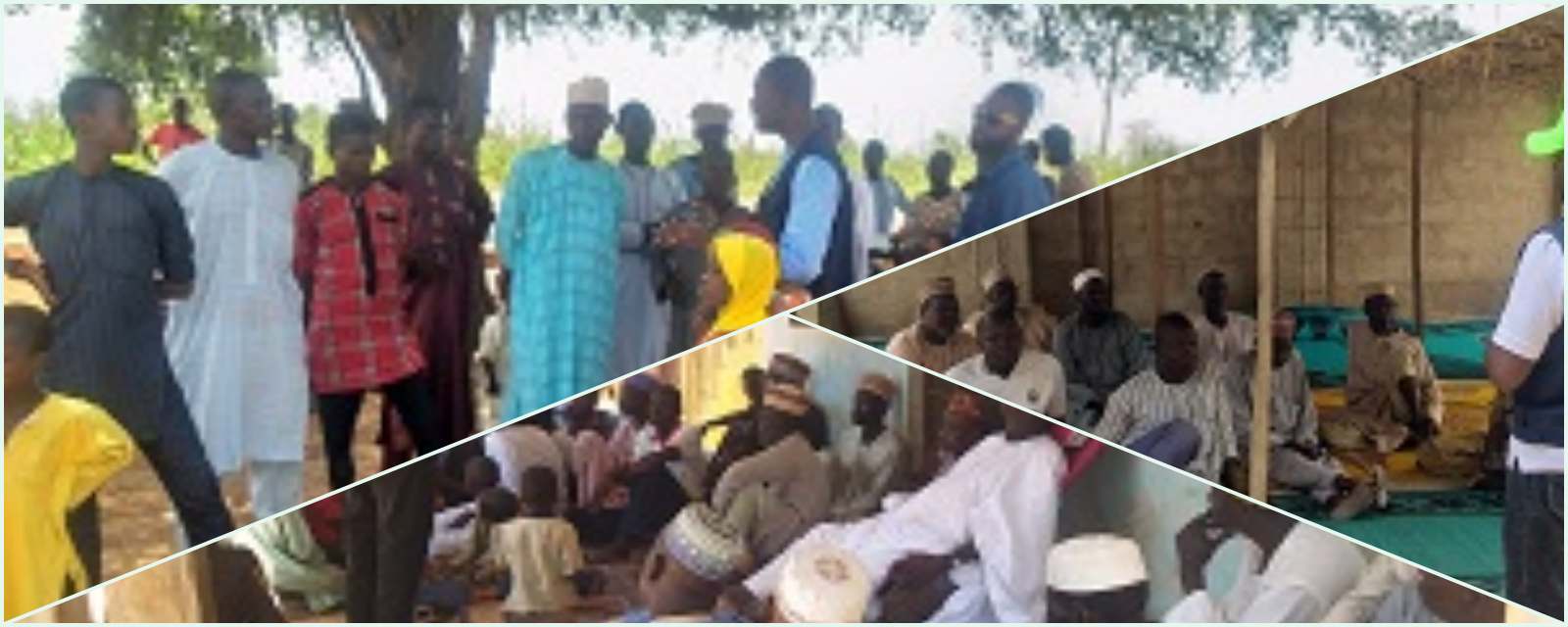
ITNs campaign to eradicate Malaria in Yobe State

Project Focus Area

Social Development (Health)

Project Start Date

September 6, 2022

Project End Date

October 8, 2022

Total Project Budget

$2,200

Project Location

Yobe State (Nangere)

Name of Donor

Malaria Consortium Programme

Project Summary

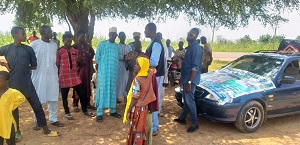
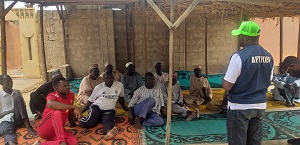
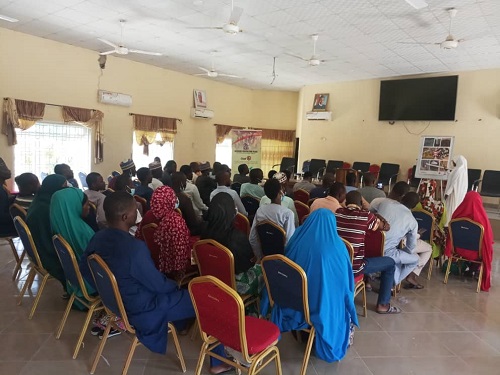
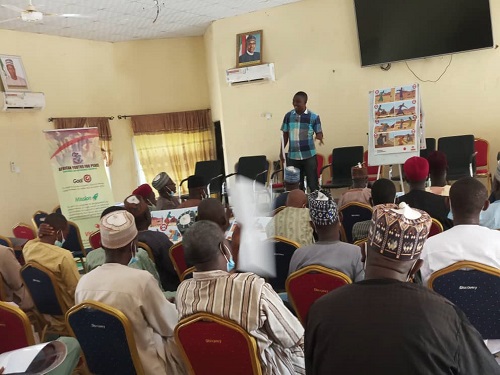
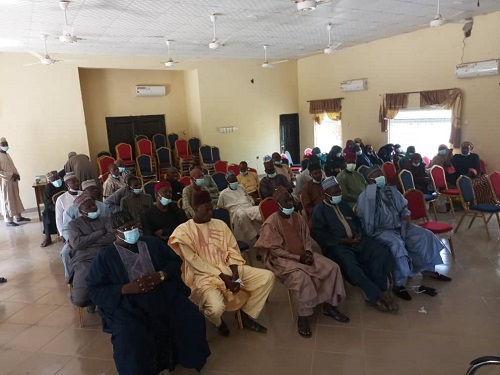
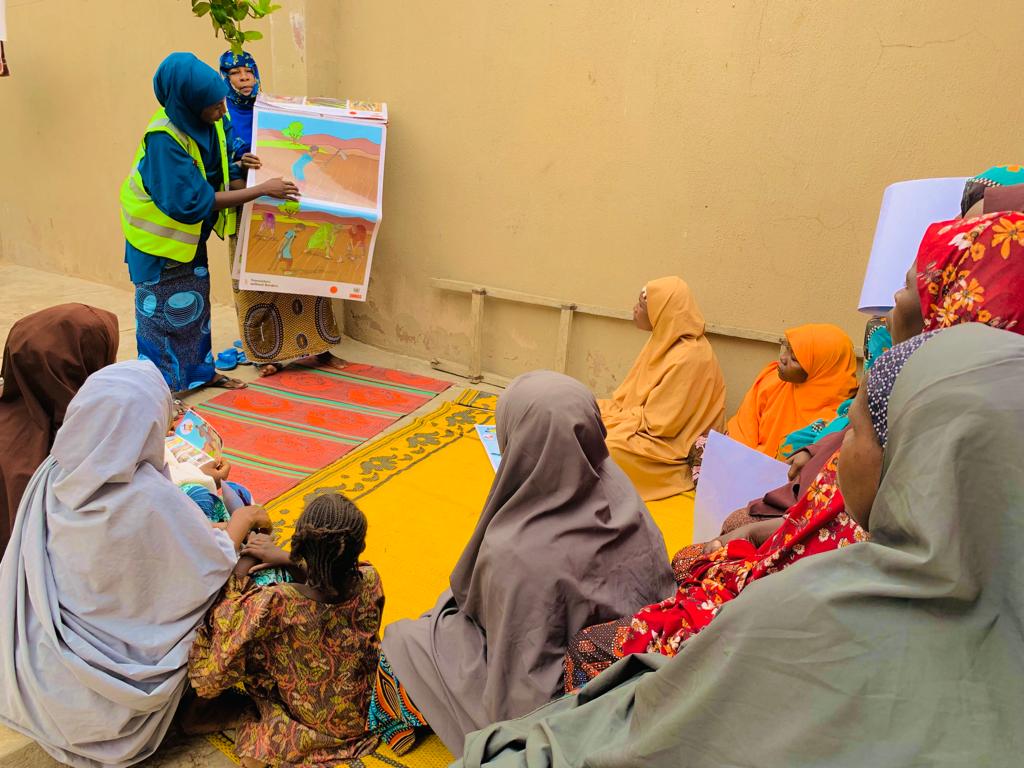
The project aims to reduce the burden of malaria through the distribution of Insecticide Treated Nets distribution to increase the overall number of households protected from malaria. The project through sensitization at the community level will create demand for ITNs thereby encouraging acceptance and utilization of personal protective equipment such as the ITNs and face masks, and sanitizers to reduce the spread of COVID-19 in vulnerable communities.  

Key Outcome

Project Gallery

5/5

Chilariye ward of Nangere LGA Yobe State

I'm grateful for the project's efforts in providing us with Insecticide Treated Nets. Now, more households have access to this life-saving tool against malaria. Mohammed Malami

5/5

Aisha Iliya from Dawasa ward of Nangere LGA Yobe State

Since receiving the ITNs from the project, I've noticed a significant decrease in malaria cases in our community. It's such a relief to see our families healthier and happier.

5/5

Adamu Bala from Tikau ward of Nangere LGA Yobe State

Thanks to the project's sensitization efforts, I now understand the importance of using ITNs, wearing face masks, and using sanitizers. I've started practicing these habits, and I encourage others to do the same for the well-being of our community.

5/5

Dazigau ward of Nangere LGA Yobe State

Before the project, I wasn't aware of the role face masks and sanitizers play in preventing COVID-19. Now, I use them regularly and encourage others to do so too. It's crucial for us to protect ourselves and those around us.

Executive Summary

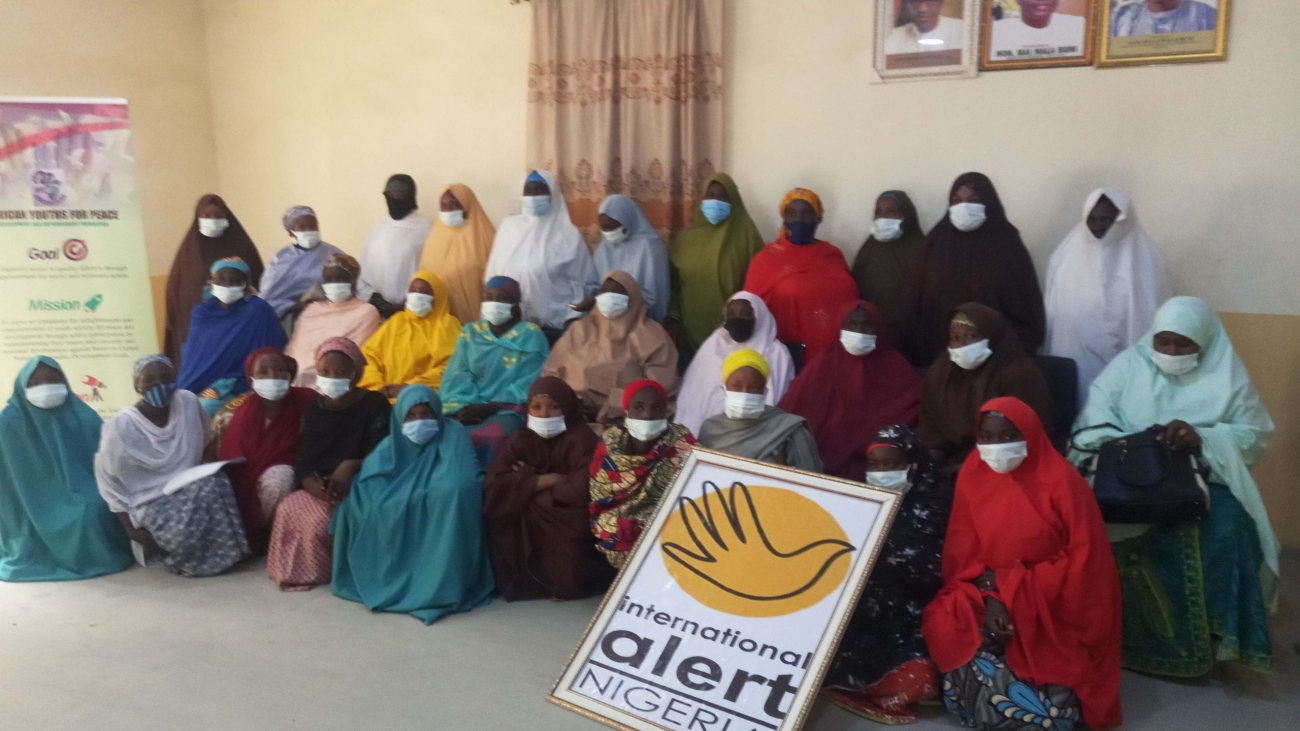
AFRYDEV, a humanitarian and development organization with over 9 years of experience in Northeast Nigeria, aims to promote safe societies and empower conflict-affected communities to prevent recruitment, radicalization, and engagement in violent extremist activities, conflict, and gender-based violence. With a focus on youth, women, and girls, implementing interventions to enhance well-being and social mobility. From September 2022 to October 2022 AFRYDEV undertook a project with the aim of reducing the burden of malaria in Yobe State. The project involved the distribution of Insecticide Treated Nets (ITNs) to households, increasing the number of protected households. Through community-level sensitization, the project created the demand for ITNs and promoted the acceptance and utilization of personal protective equipment (PPE) such as face masks and sanitizers. This prevents malaria and reduces the spread of COVID-19 in vulnerable communities.

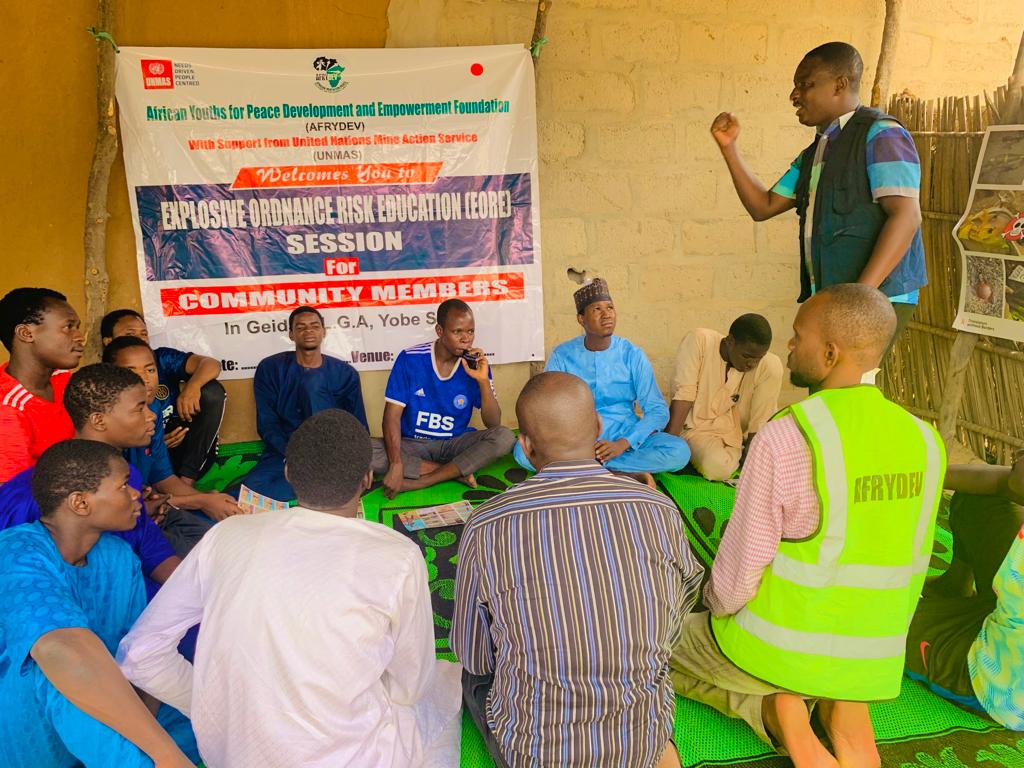
Constructed Market Shade in Dilala

Strengthen Resilience building through Livelihood’s support to promote durable solutions for IDPs, returnees, and residents in Geidam and Yunusari, Yobe State

Project Status: Completed

Strengthen Resilience building through Livelihood’s support to promote durable solutions for IDPs, returnees & residents

Project Focus Area

Social-Economic Development and Civic Engagement

Project Start Date

March 1, 2022

Project End Date

November 30, 2022

Total Project Budget

$40,000

Project Location

Geidam L.G.A Yobe State

Name of Donor

from COOPI through HNF

Project Summary

The 10-month project in Geidam and Yunusari, Yobe State, funded by COOPI through HNF, aims to enhance resilience and promote durable solutions for IDPs, returnees, and residents. It reduces conflict impact, provides livelihood options, engages communities, and strengthens local markets. Implemented by COOPI with AFRYDEV, the project focuses on increasing income sources and enhancing community resilience.

Key Outcome

Project Gallery

5/5

Maryam Aje ED AFRYDEV

Through our partnership with a national NGO, we have been able to strengthen community resilience and improve access to basic services. By building the capacity of government and communities and rehabilitating basic infrastructures, we are making a tangible difference in the lives of the people in our area.

5/5

Kaumi Gogoji CDO Geidam LGA

The project has successfully enhanced the capacity of local government, civil society organizations, and community members on governance and service delivery. Now, we are better equipped to address the needs of our community and ensure effective and efficient service provision.

5/5

Babagana Ali Chairman Market Association of Geidam.

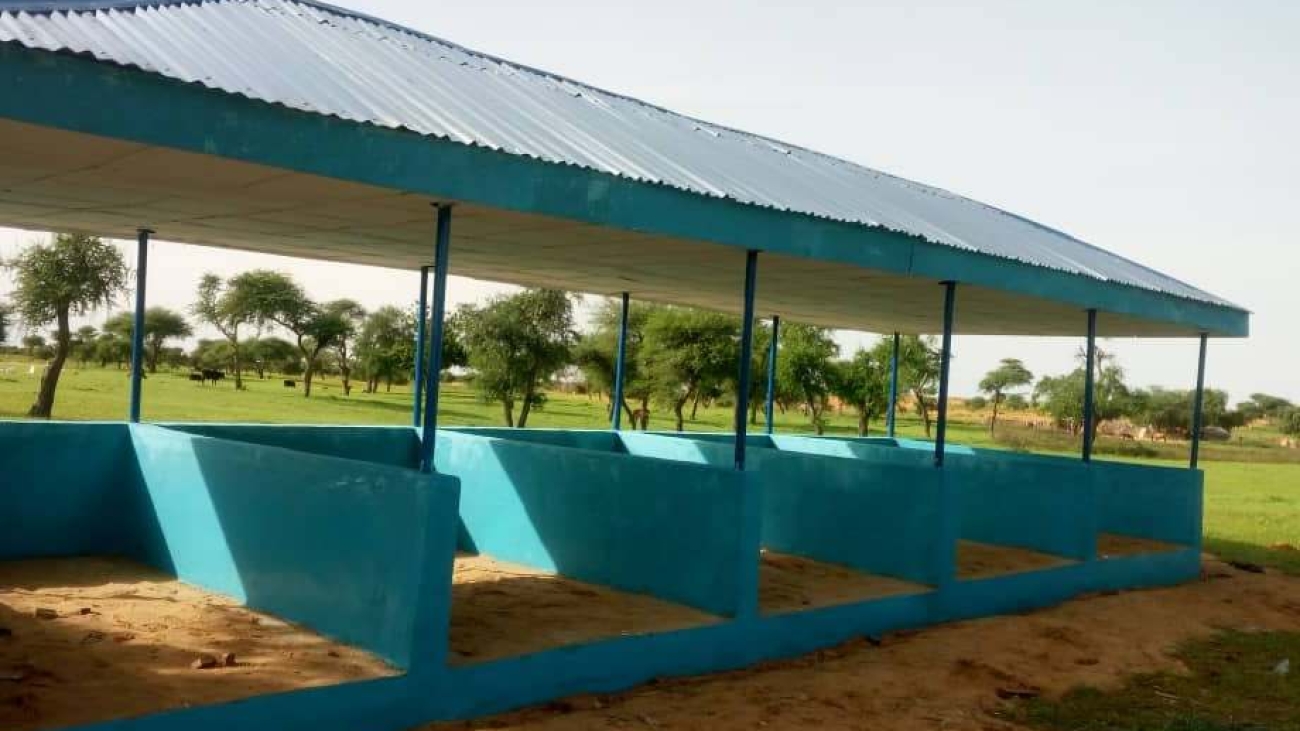
Thanks to the rehabilitation and construction of 10 water access points and market structures, people in our community now have improved access to basic services and economic opportunities. These developments have positively impacted our overall well-being and have contributed to the economic development of our area.

5/5

Zanna Ali Community Head of Geidam LGA.

The project has played a crucial role in strengthening income generation opportunities. By establishing and scaling up small to medium-sized businesses, we have been able to generate sustainable income streams. The provision of skills training and necessary inputs has empowered us to thrive and achieve economic independence.

5/5

Ibrahim Bana Community member.

As a youth from a vulnerable community, I am grateful for the project's efforts in increasing employment opportunities. Through market-driven skills training and business grants, I have been able to secure a job and improve my livelihood. This project has truly made a difference in empowering the youth and uplifting our communities.

Executive Summary

The project was designed to address the pressing needs of conflict-affected populations in the Geidam and Yunusari LGAs of Yobe State. The project is based on recent data and assessments conducted by COOPI and AFRYDEV, highlighting the dire situation of food insecurity, economic deterioration, and lack of livelihood opportunities in the region.

The conflicts in North-East Nigeria have severely impacted primary food production, leaving a significant portion of the population reliant on food assistance programs. The limited access to farmland has resulted in reduced harvests and profits for farmers, further exacerbated by the COVID-19 pandemic. The high levels of food insecurity have led to acute malnutrition, affecting the well-being of the communities.

The project aims to address these challenges by focusing on livelihood support, capacity building, and rehabilitation efforts. By providing start-up capital, appropriate tools, and business skills training, the project seeks to empower small business owners and enhance their operations. Additionally, the project aims to improve market systems and infrastructure to reduce the financial and opportunity costs incurred by communities in accessing key supplies.

The assessments conducted by COOPI reveal the urgent need to prioritize income generation activities and economic reintegration programming, such as Village Savings and Loans Associations (VSLAs), in Geidam and Yunusari. This will not only improve self-reliance but also enhance community resilience and reduce vulnerability.

In conclusion, this project addresses the critical challenges faced by conflict-affected populations in Geidam and Yunusari. By providing livelihood support, capacity building, and infrastructure rehabilitation, the project aims to promote self-reliance, enhance community resilience, and decrease vulnerability. The findings from the needs assessments highlight the urgency and importance of implementing sustainable and effective interventions to improve the lives and livelihoods of the affected communities.