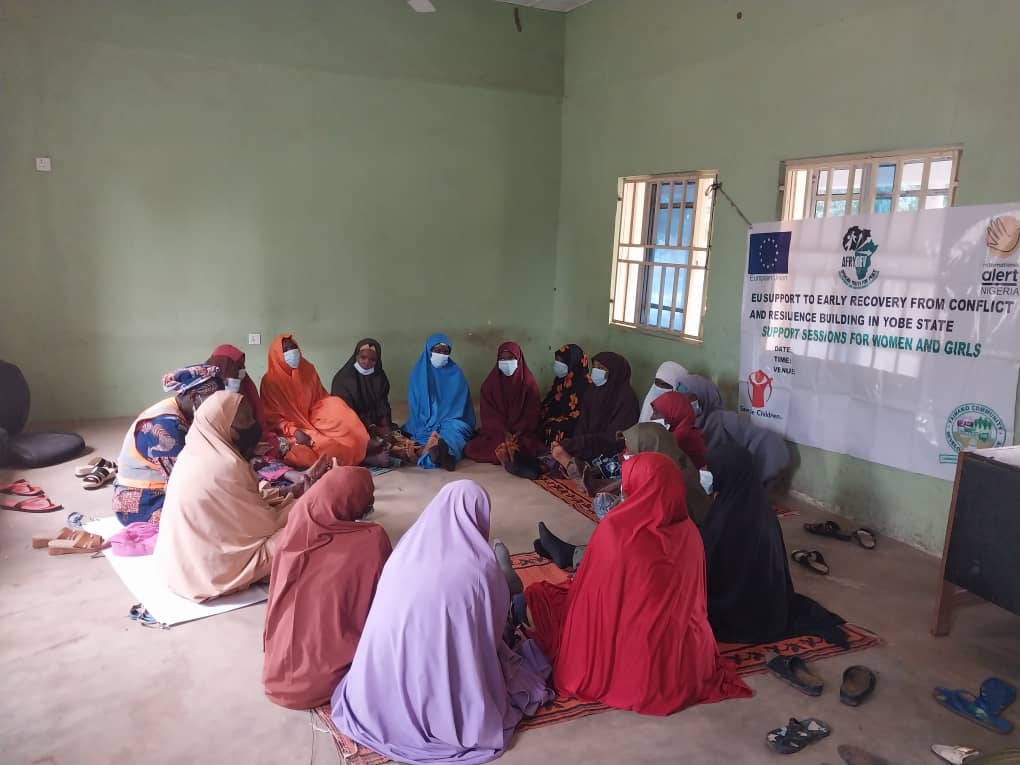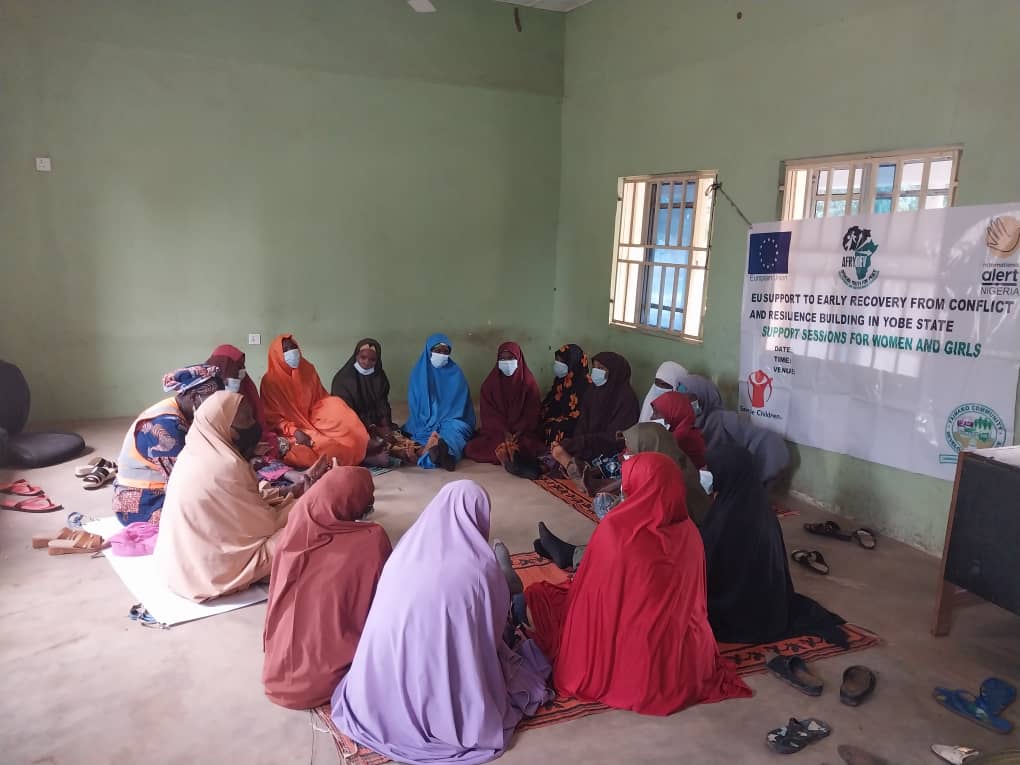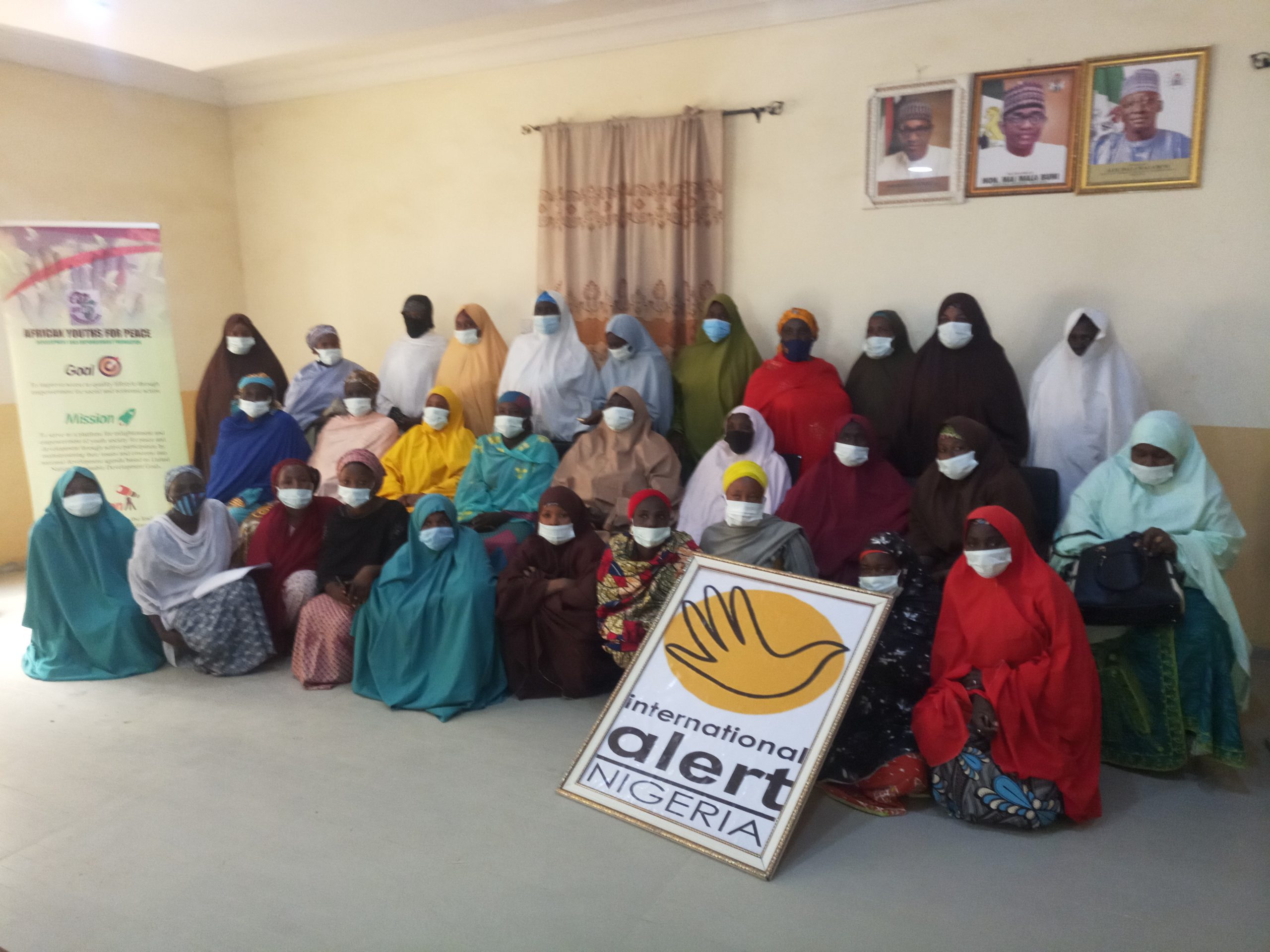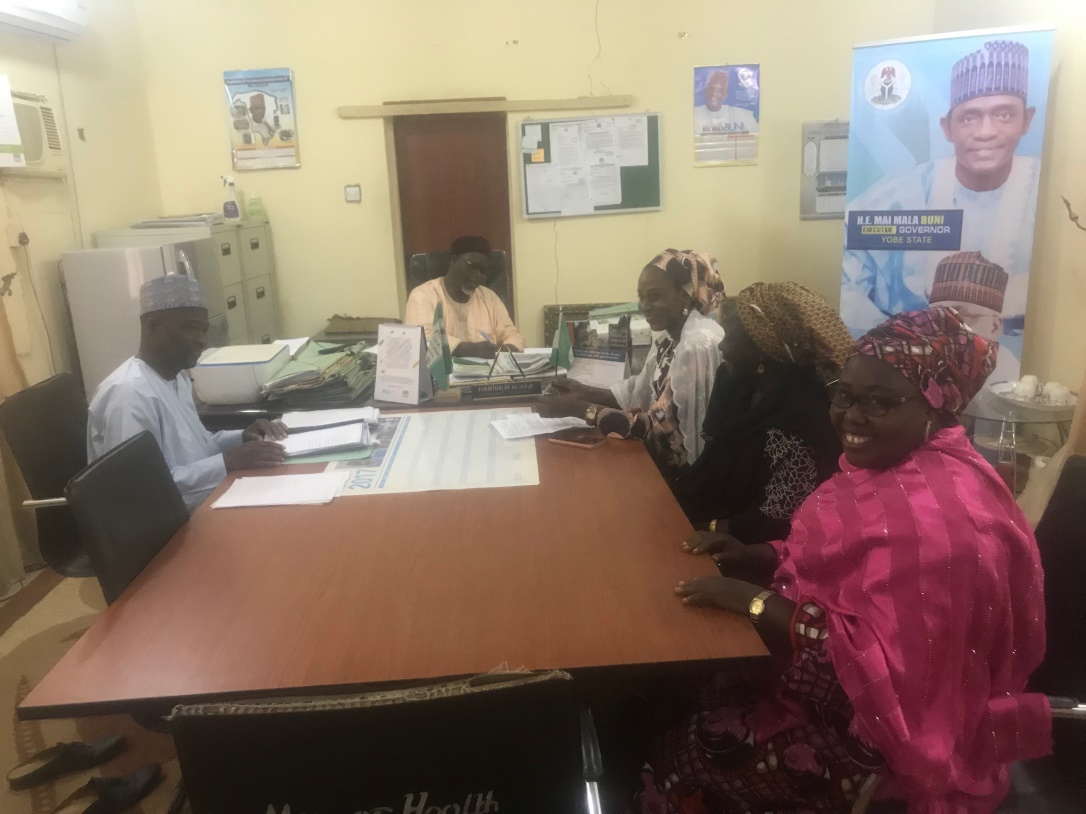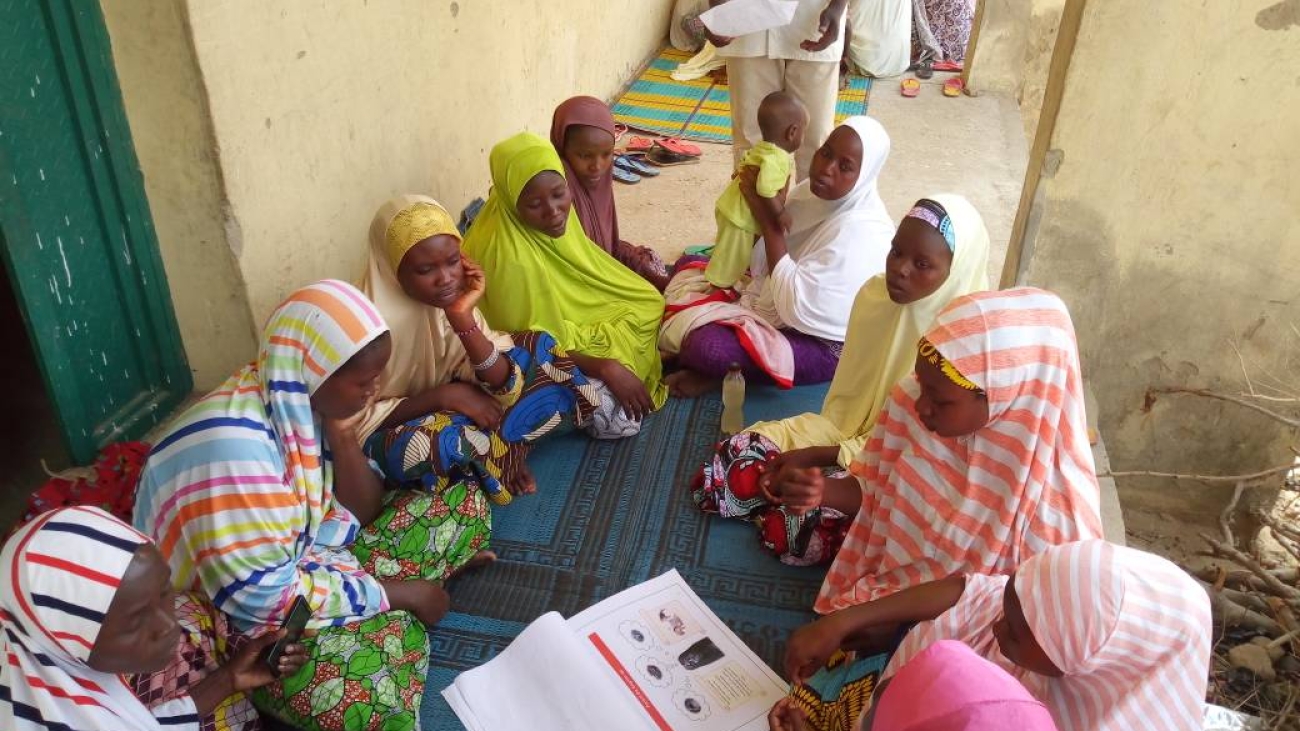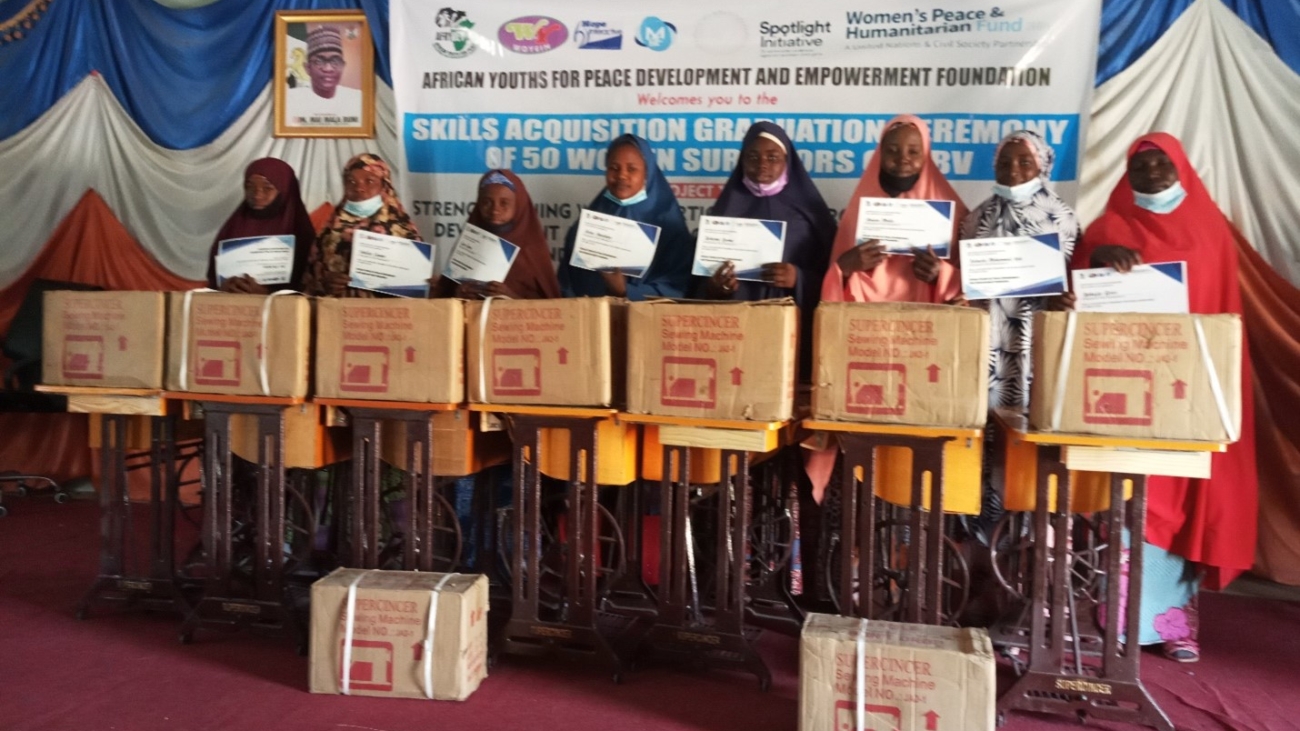
Project Status: Completed
Strengthening women participation through leadership development, Empowerment and livelihood for reducing the risk of Gender Based Violence (GBV)
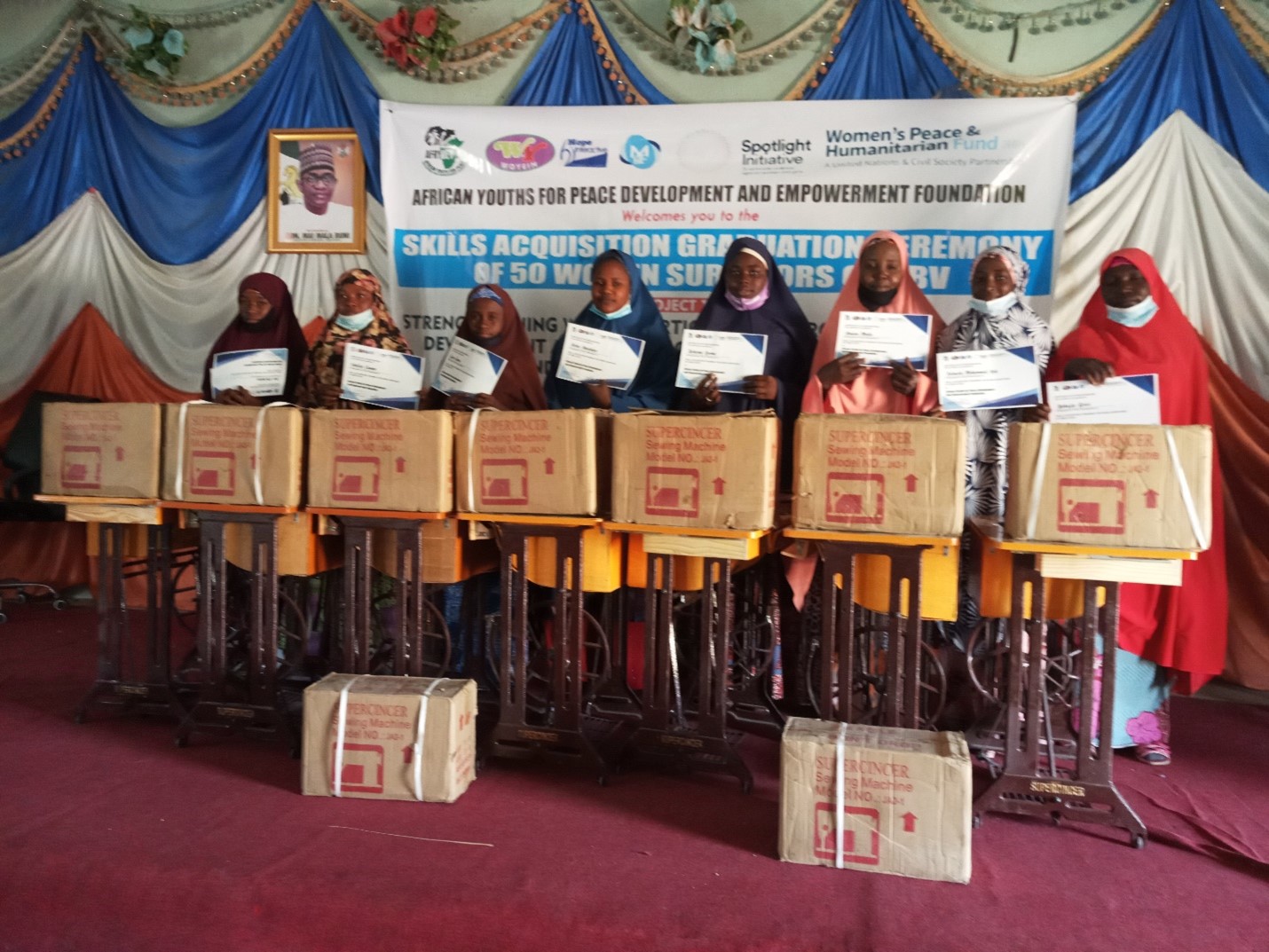
Project Focus Area
Promoting gender equitable social norms, attitude and behaviors
Project Start Date
November 12, 2020
Project End Date
November 12, 2022
Total Project Budget
$196,880
Project Location
Yobe State, (Geidam)
Name of Donor
UN-Women through the Women Peace and Humanitarian Fund (WPHF) and Spotlight Initiative
Project Summary
Violence against women and girls, rooted in gender power imbalances, hinders gender equality and poverty eradication. Boko Haram’s insurgency devastated Northeast Nigeria, displacing millions, and damaging infrastructure. NGOs led by WOYEN, and partners including AFRYDEV implement a 24-month project in Yobe State. Empowering women, reducing GBV risks, and improving livelihoods. USD 195,000 funding sought from WPHF..
Key Outcome
- Through comprehensive interventions and awareness programs, individuals, communities, and institutions have successfully transformed their values, beliefs, attitudes, behaviors, and practices. They now unequivocally reject violence against women and girls (VAWG) as unacceptable and criminal. Moreover, women and girls have gained greater autonomy over their bodies and lives, fostering a more equitable and gender-balanced society. The community has developed a shared commitment to social change, challenging gender power dynamics and promoting gender equality. Consequently, gender-based violence against women and girls is actively and effectively condemned and discouraged at all levels.
- A robust community-level prevention and response mechanism is in place, functioning actively and effectively. Women and girls now experience increased safety and have enhanced access to justice at all levels. Survivors of gender-based violence have improved access to a comprehensive range of support services, including economic aid, medical assistance, psychosocial support, and secure shelters. Government service providers have become more accountable to the prevention, protection, and response demands of women and girls. The government has responded with effective policies and allocated budgets to address VAWG, leading to enhanced responses to the needs of women. Women's rights advocates working on VAWG have acquired a greater capacity to organize and facilitate collective efforts toward social change.
- Women and girls are now fully aware of their rights and have been empowered, supported, and equipped with resources to assert their individual and collective rights. They have gained enhanced ownership of, access to, and control over various resources, including political influence, legal protection, economic opportunities, and social participation. This empowerment has enabled women and girls to actively participate in decision-making processes, thereby contributing to a more inclusive and gender-equal society.
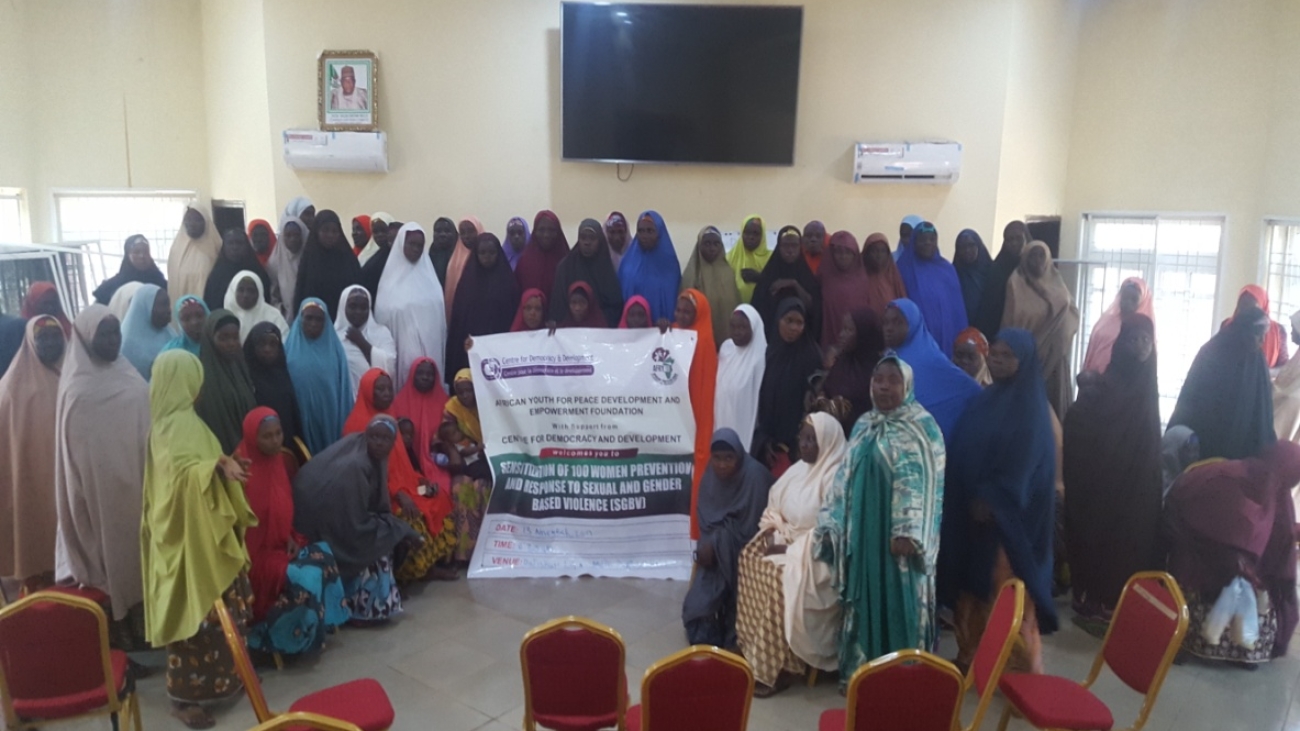
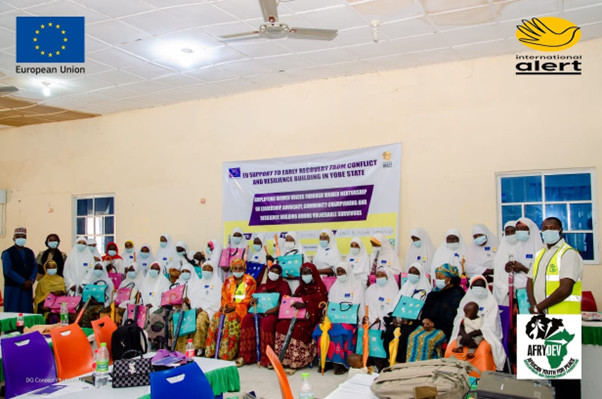
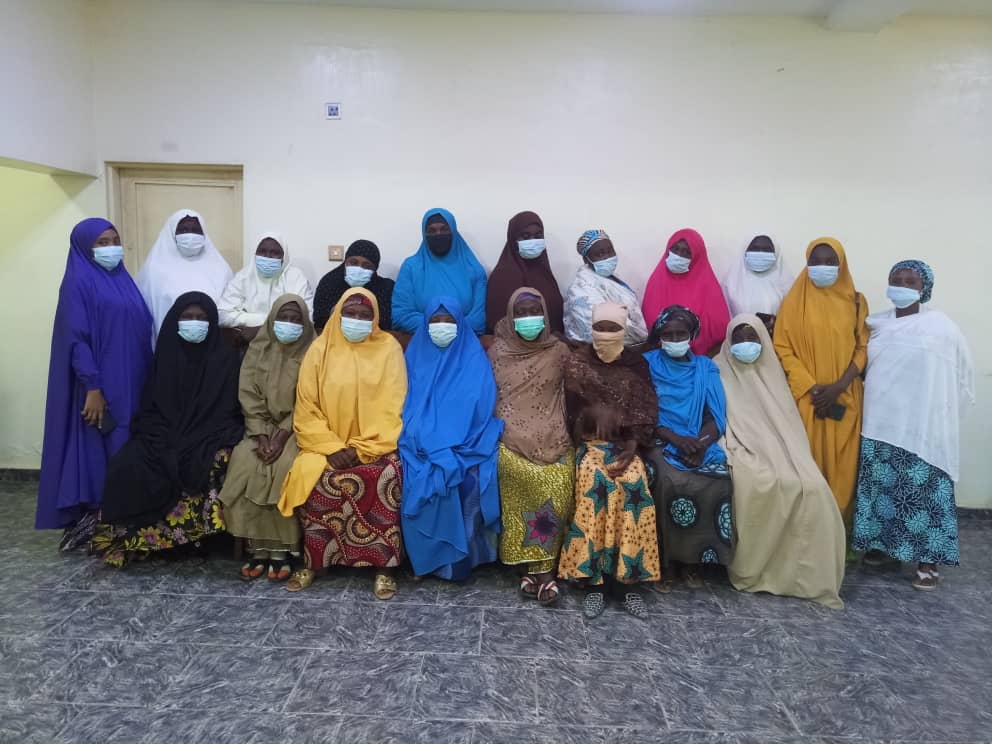
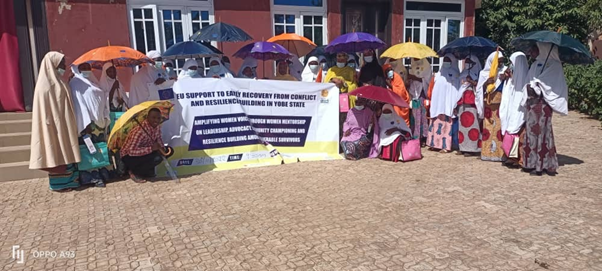
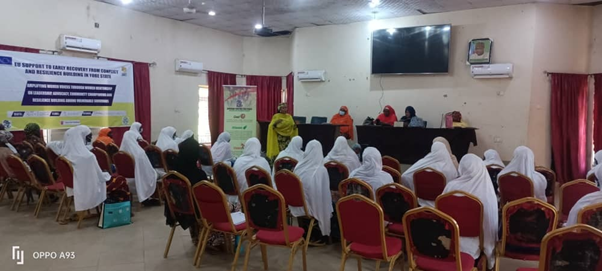
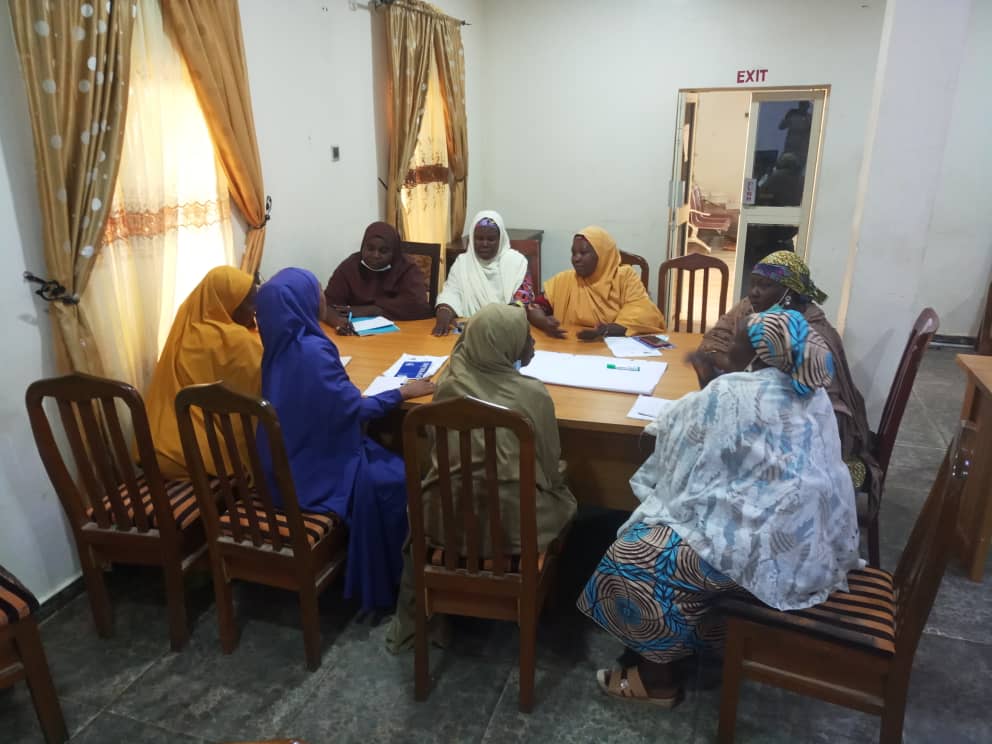
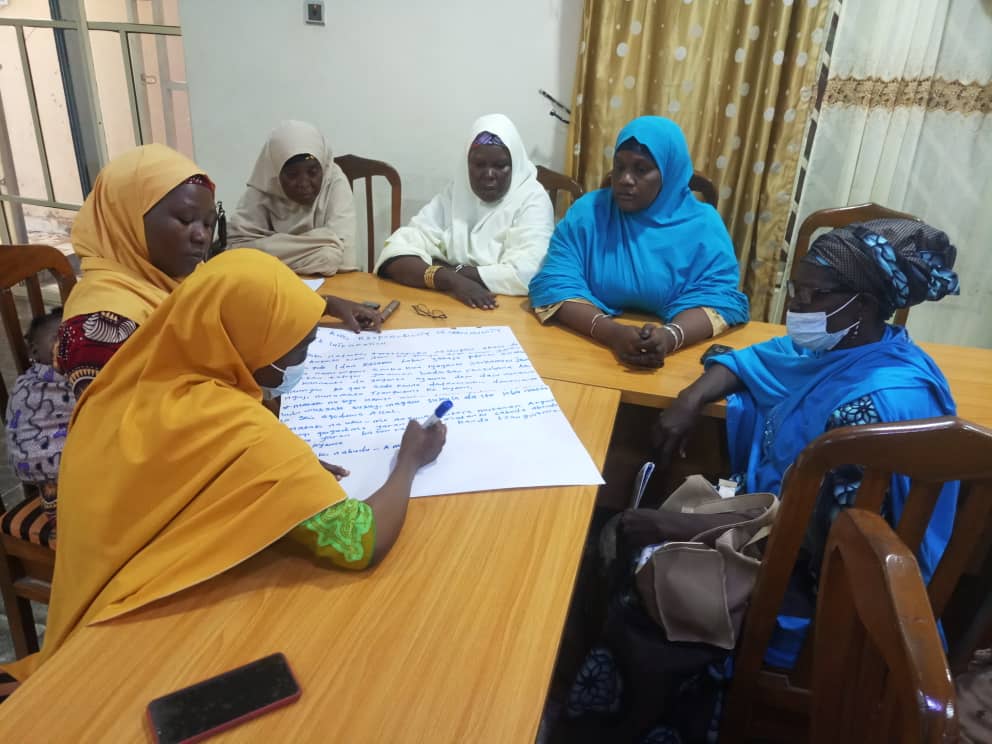
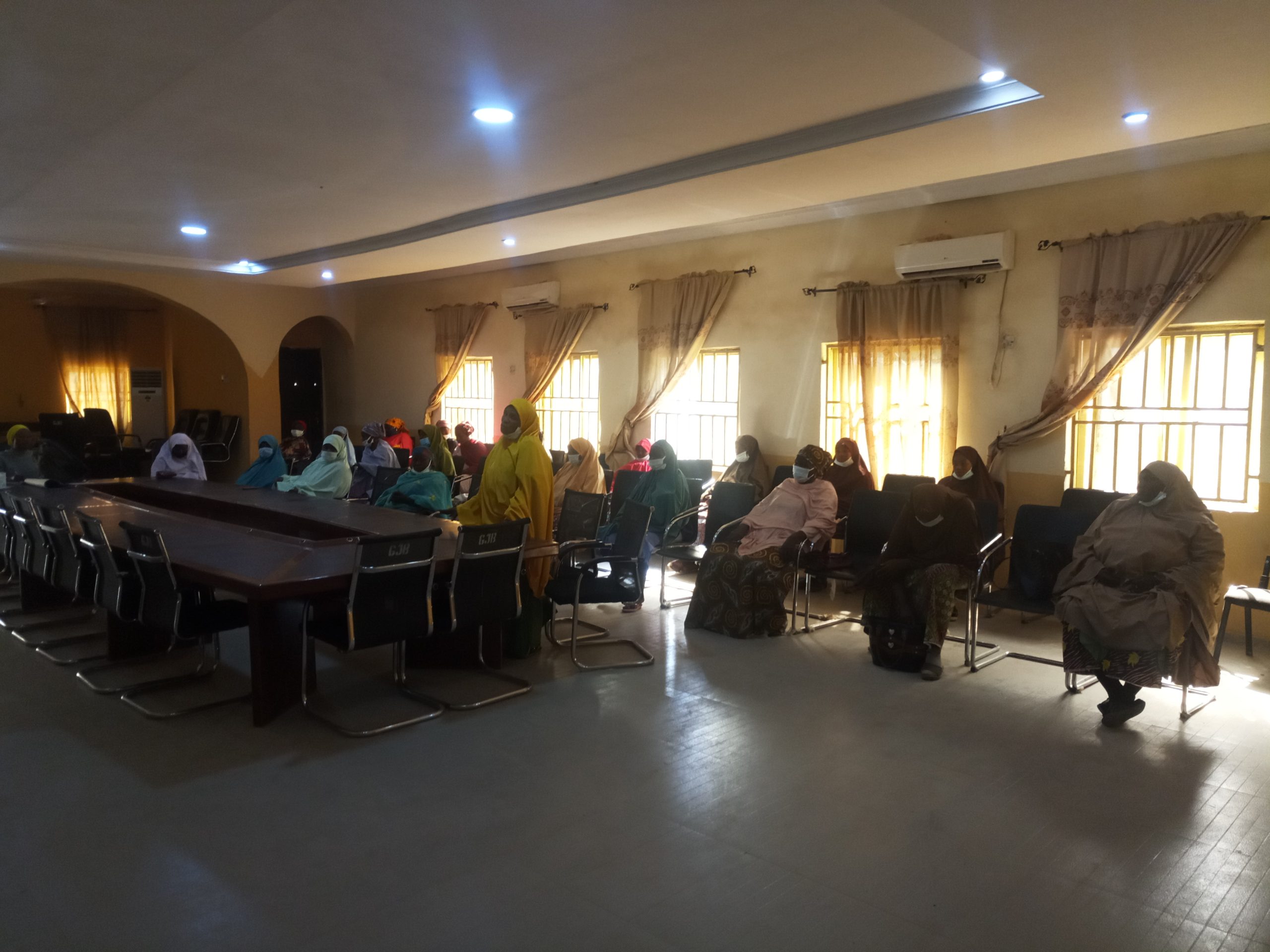
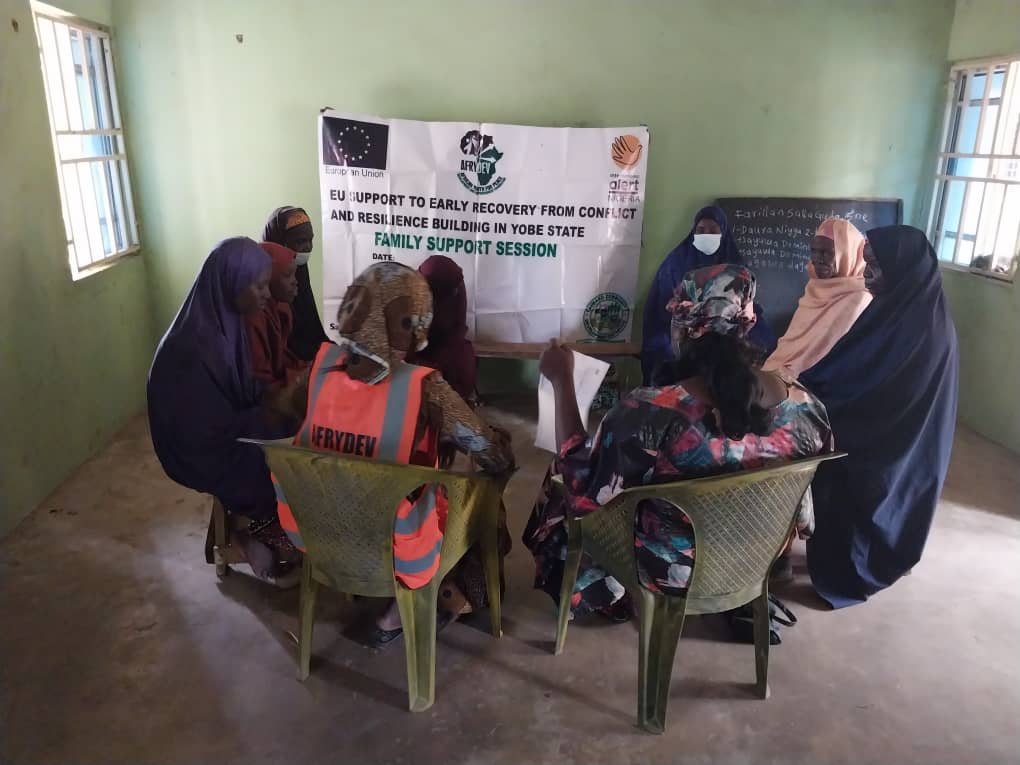
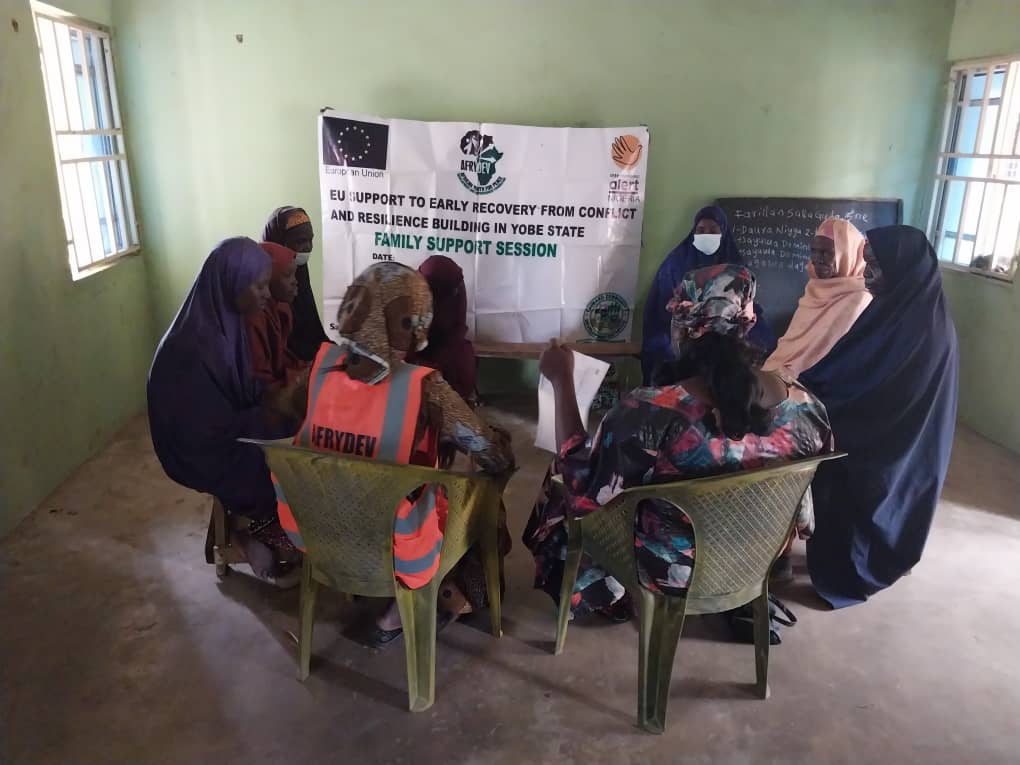
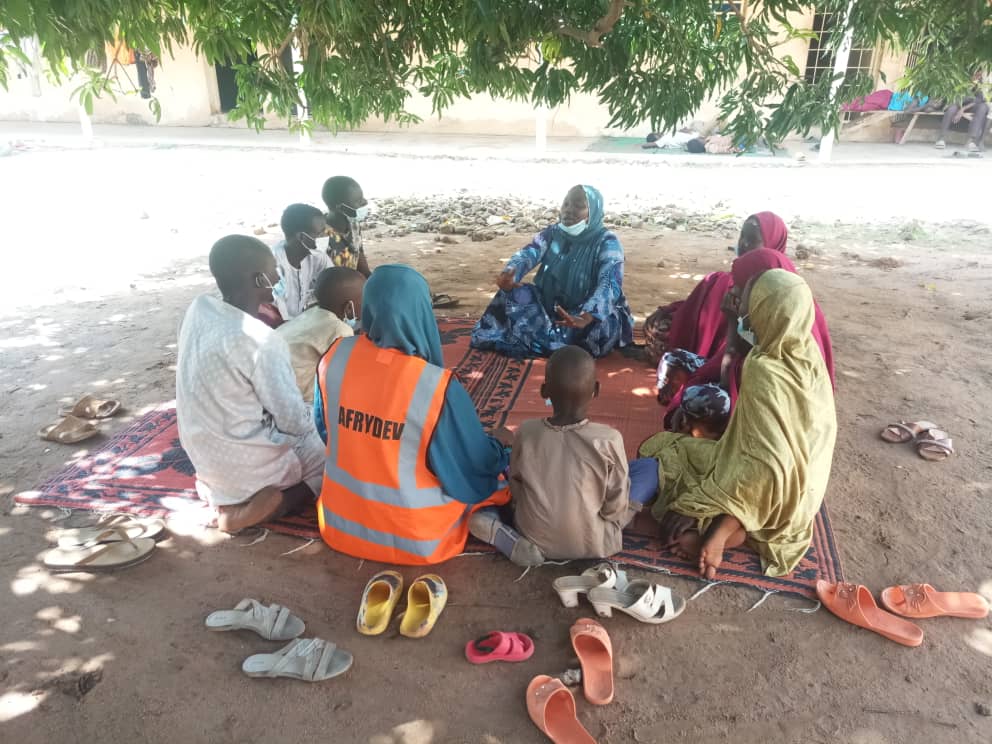
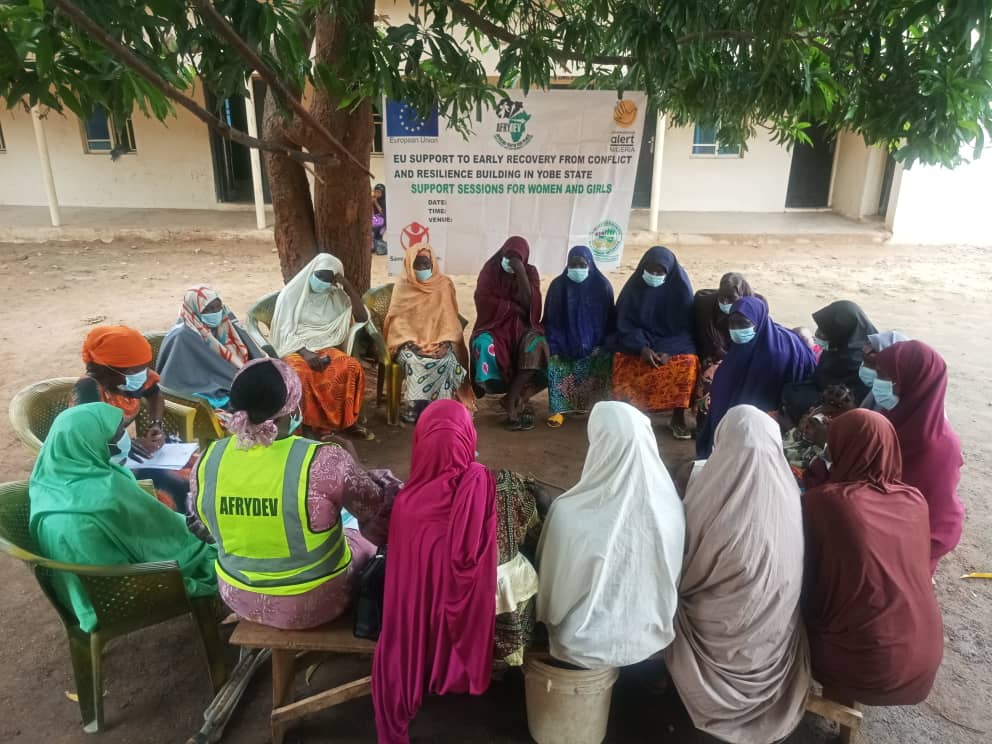
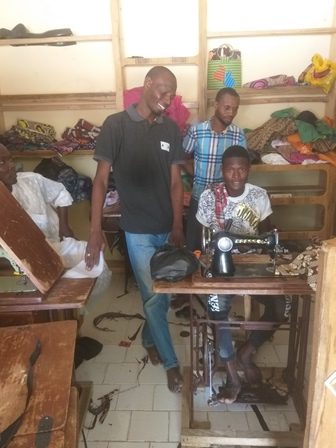
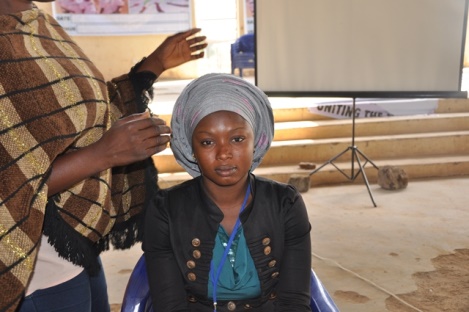
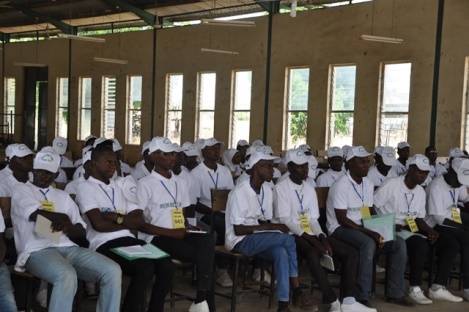
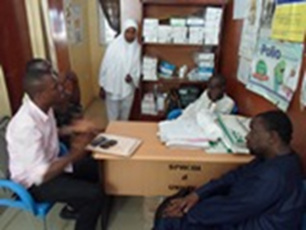
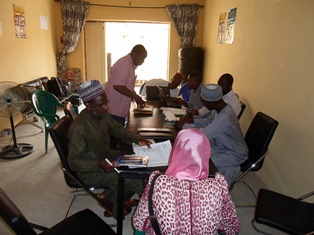
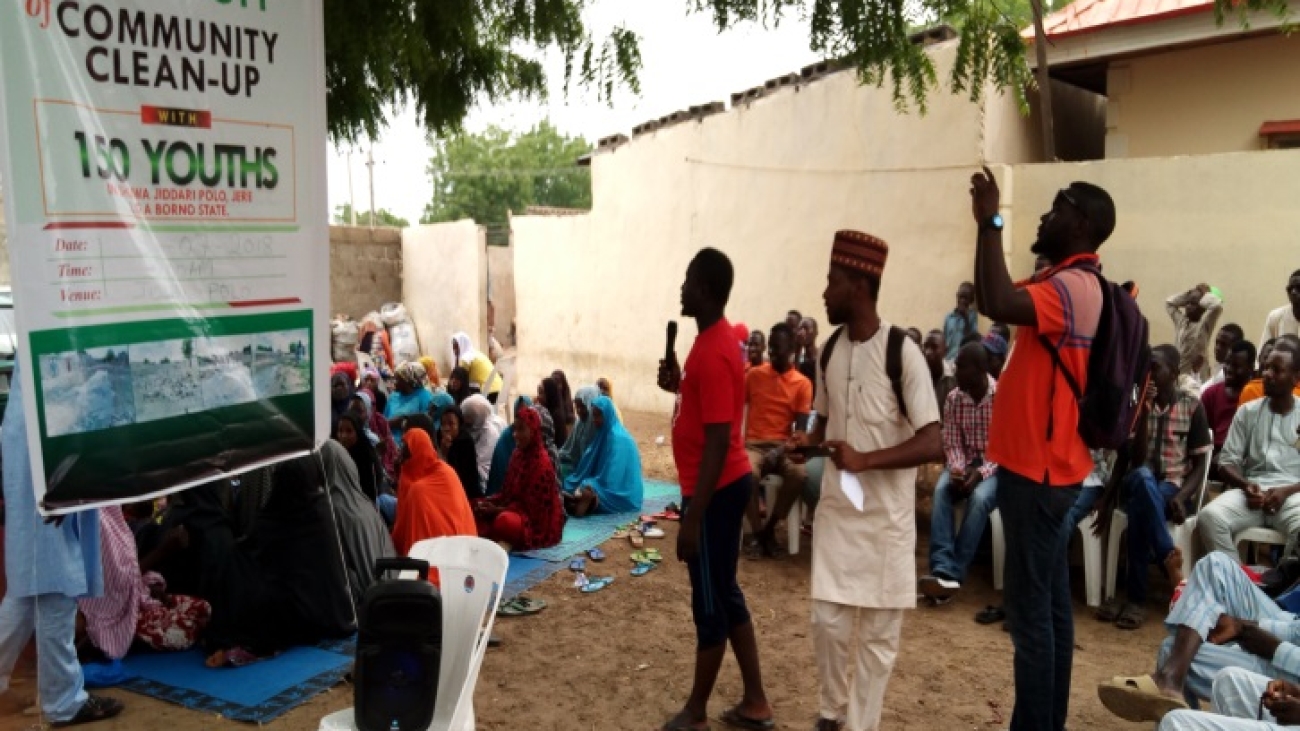
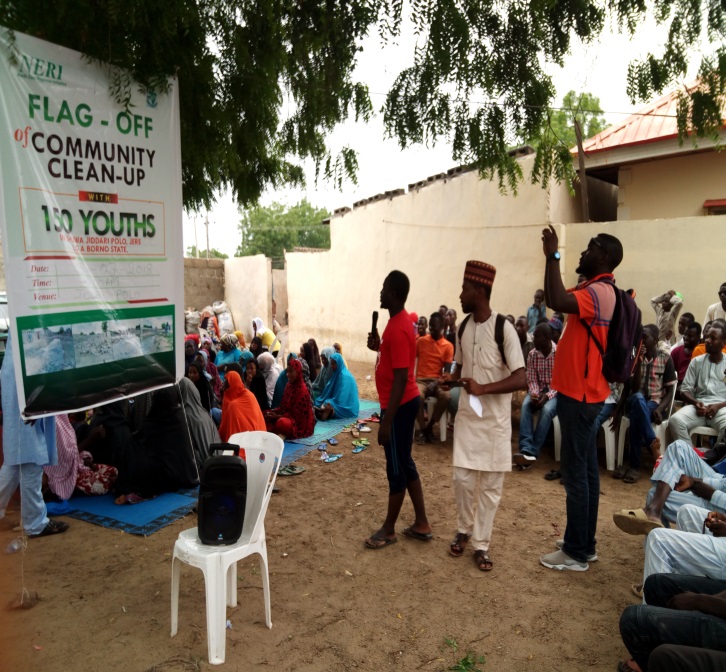
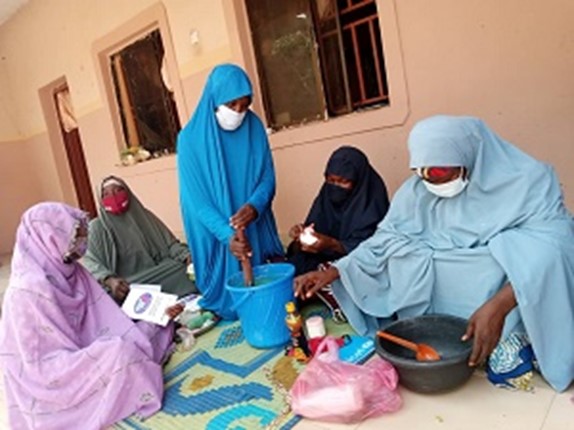
Project Gallery
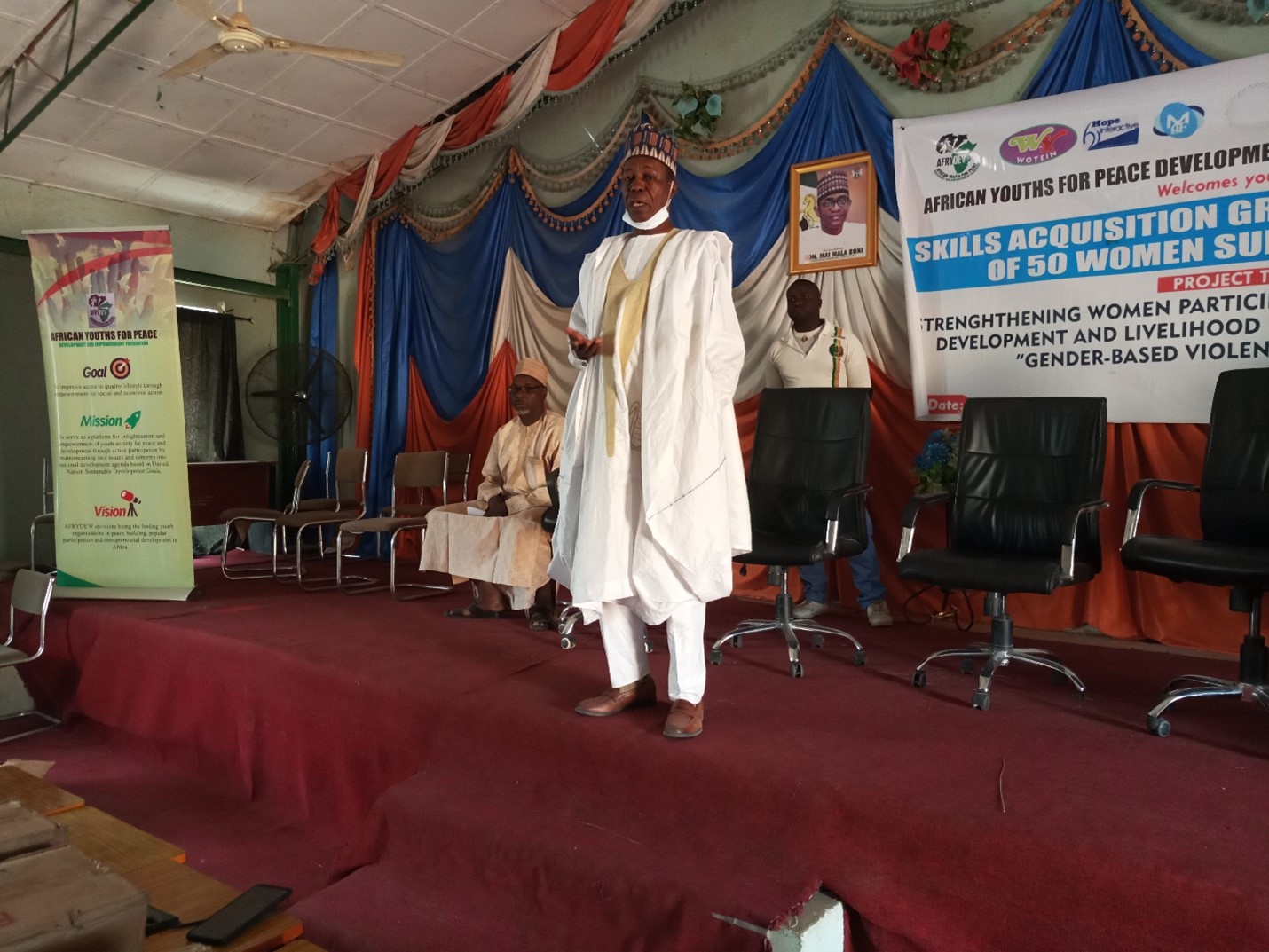
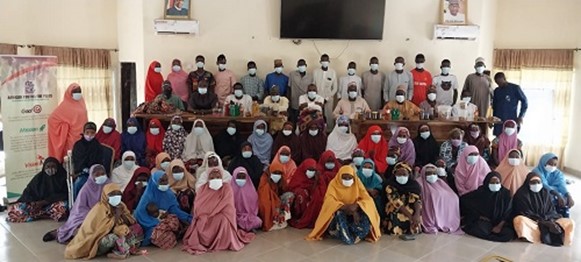
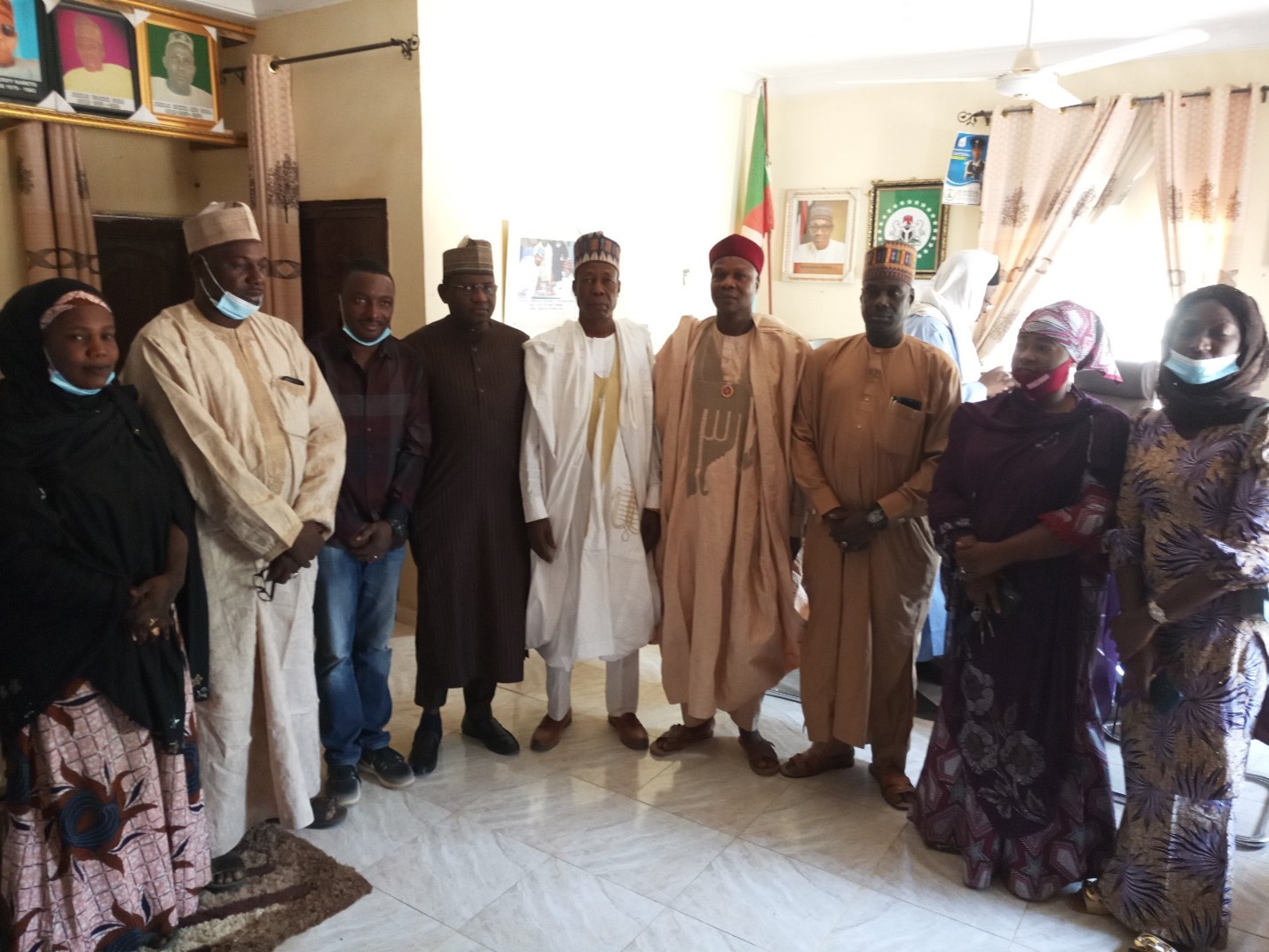
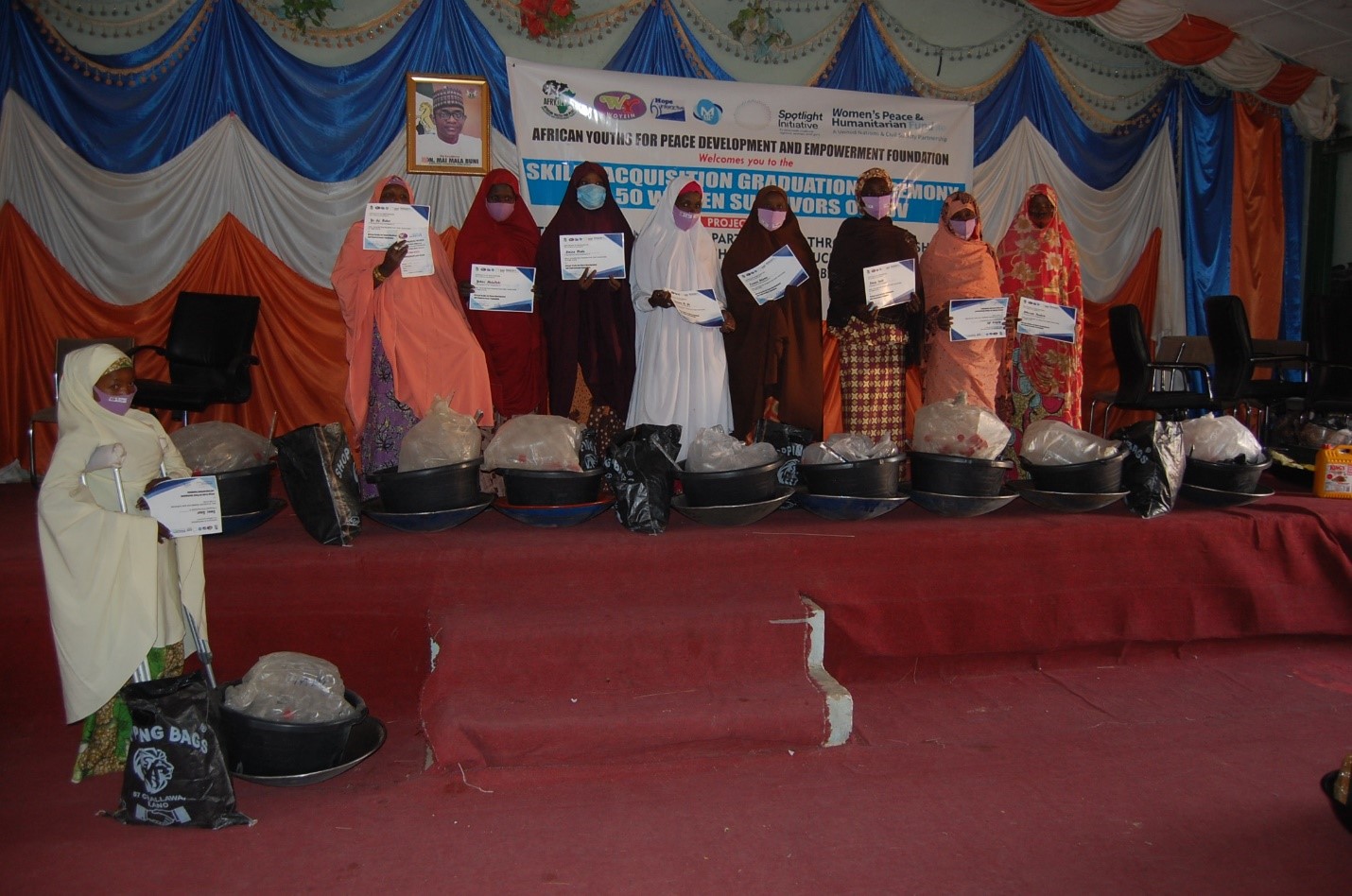
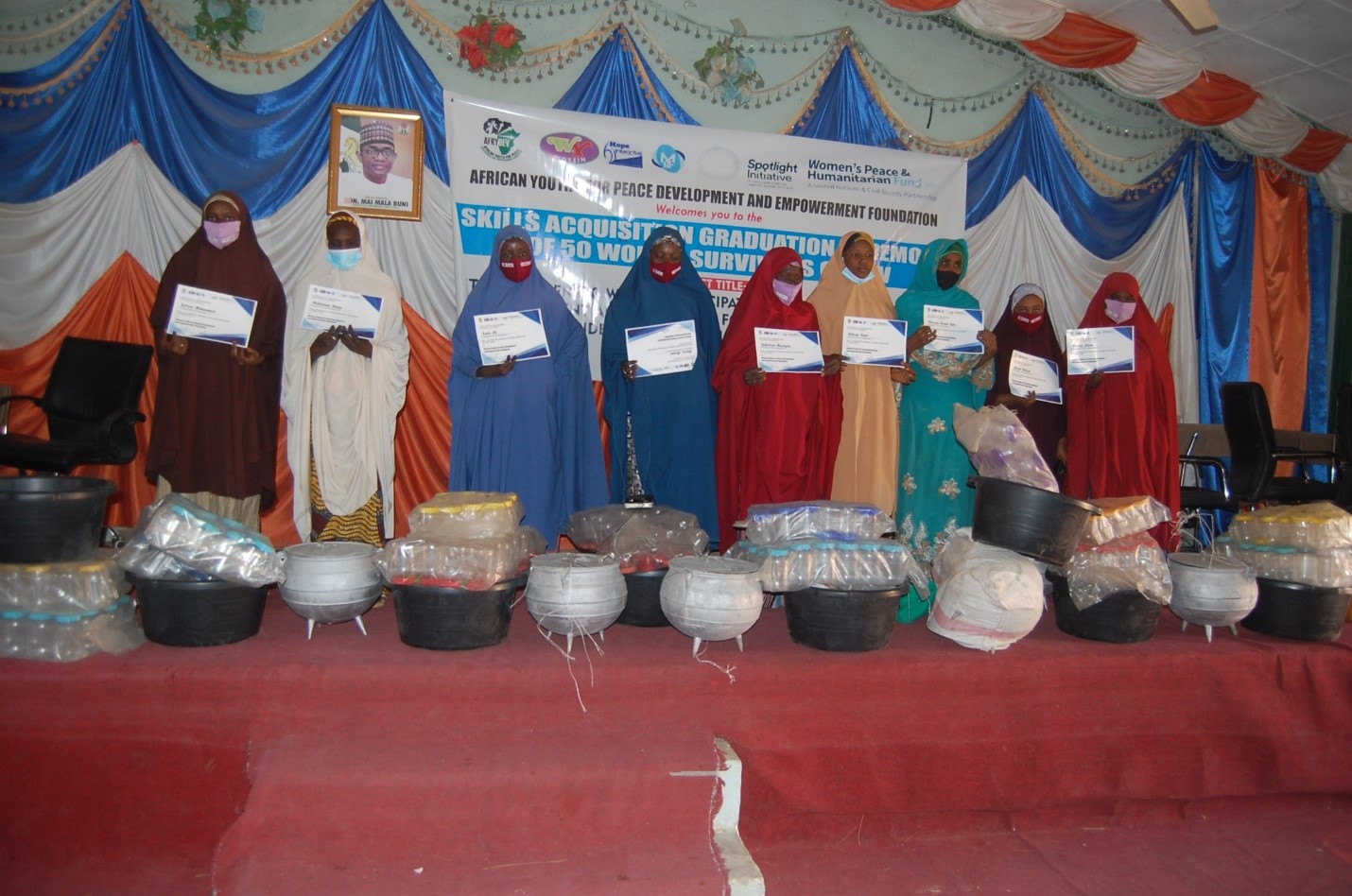
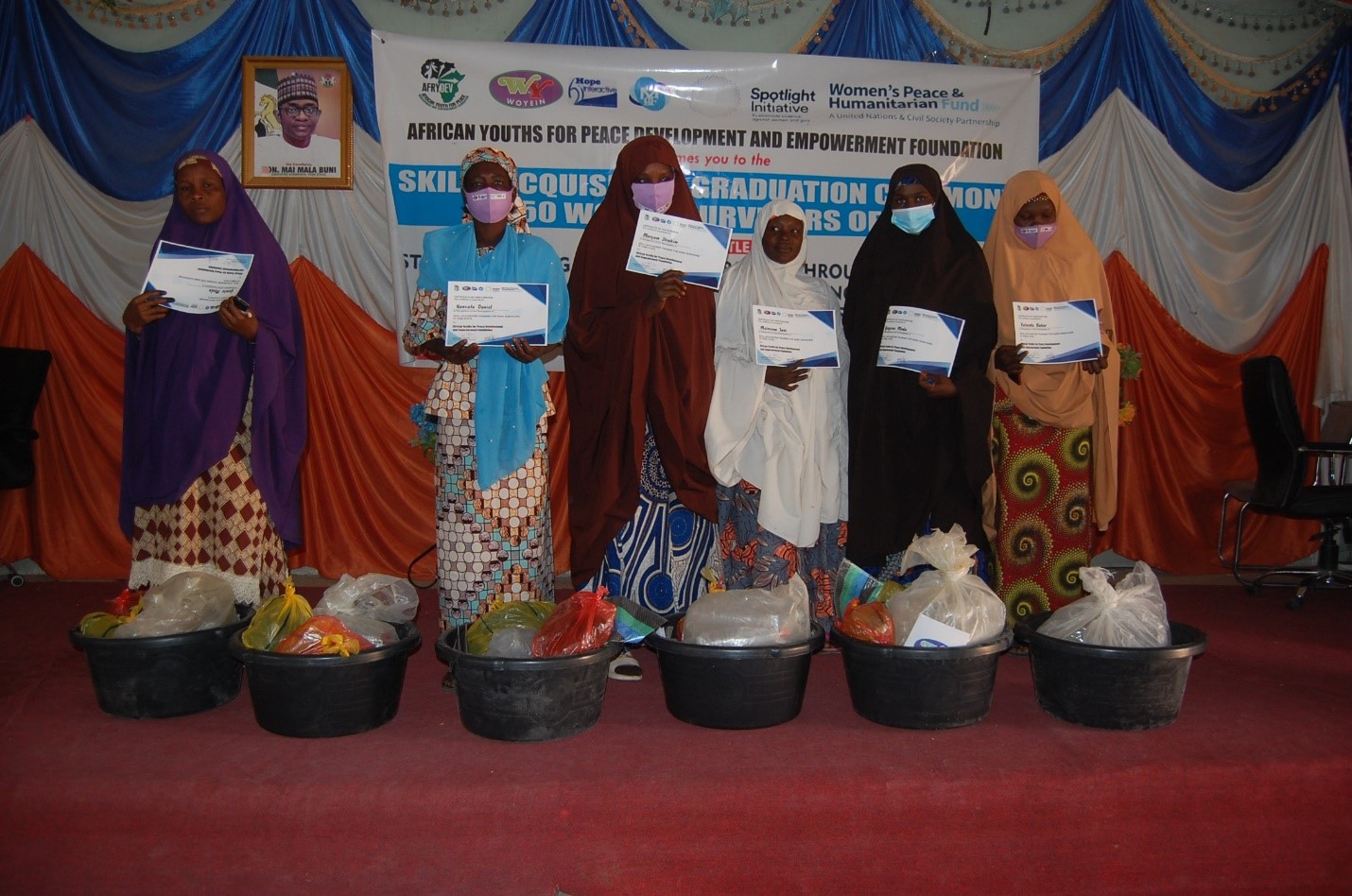
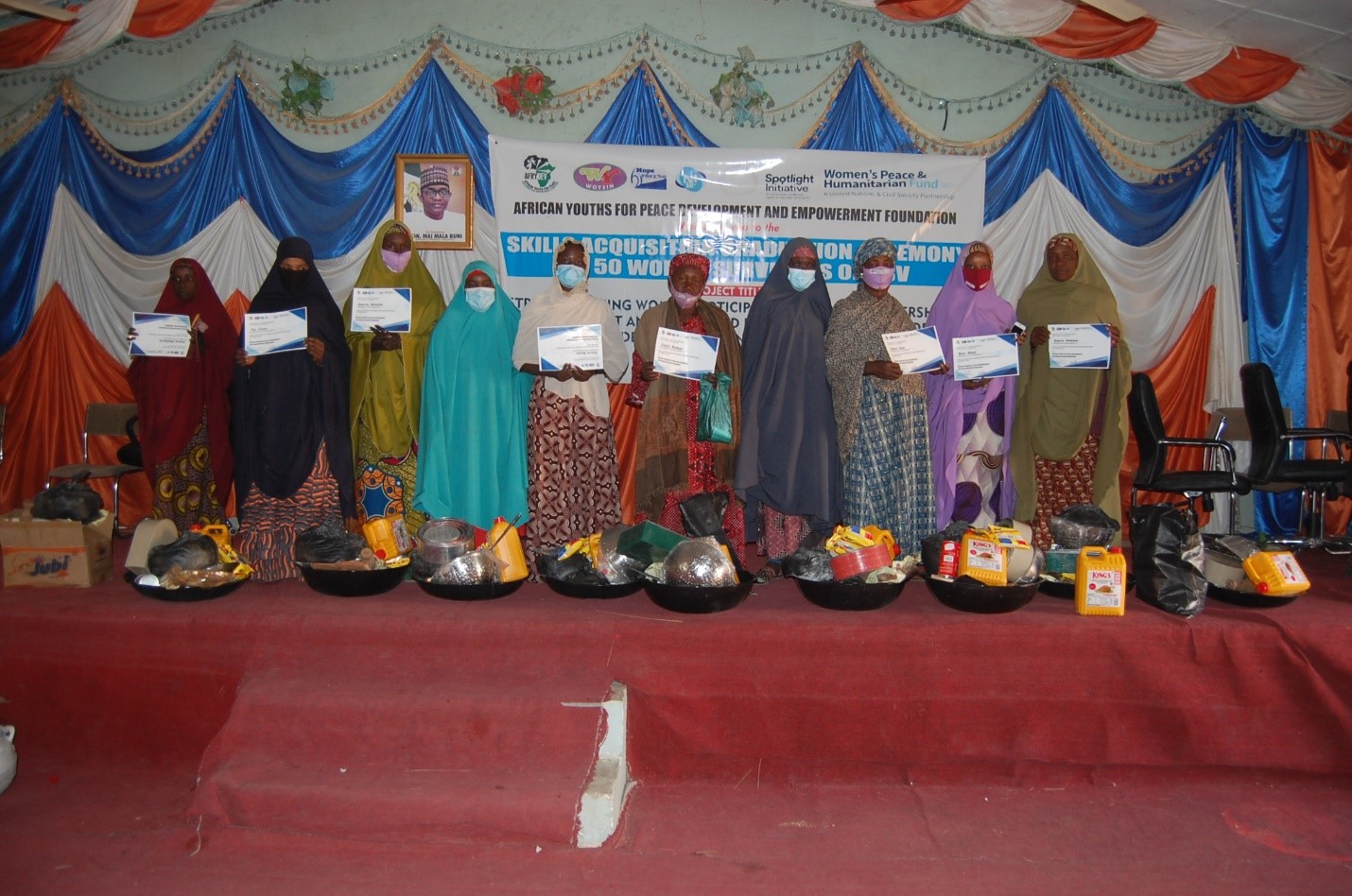


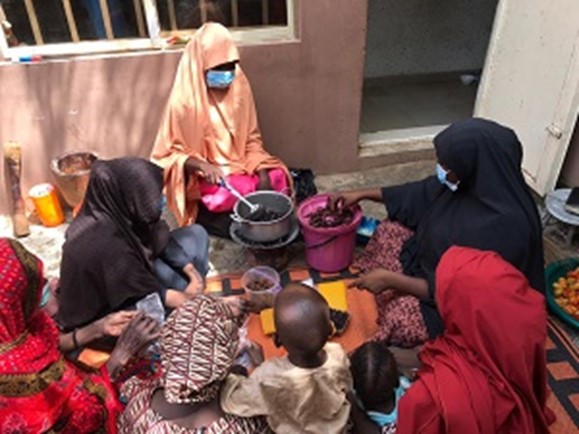
Hassan Abdullahi Community Member
I used to think violence against women and girls was inevitable, but now I understand that it is completely unacceptable. We have shifted our beliefs and behaviors to create a safer and more equal community.
Idris Bala Community member in Geidam LGA.
Our community has undergone a remarkable transformation in our attitudes and behaviors towards violence against women and girls. We now understand that it is a crime and completely unacceptable. We are committed to fostering gender equality and creating a safe environment for all individuals.
ABDULKARIM ABACHA Women's Rights Activist in Geidam LGA
Through awareness programs and education, we have witnessed a significant shift in societal values. Women and girls are now empowered to exercise autonomy over their bodies and lives. This change is instrumental in building a more just and equitable society.
Mohammed Musa Government Representative in Geidam LGA.
It is inspiring to see how individuals, communities, and institutions have united against violence. We actively condemn gender-based violence and work towards creating a society that values and respects the rights of women and girls. We have come a long way in our journey towards gender equality.
Hadiza Gambo Health Service Provider in Geidam LGA
The establishment of a community-level prevention and response mechanism has made a tangible difference in ensuring the safety and justice for women and girls. They now have increased access to support services, enabling them to rebuild their lives and seek justice against perpetrators.
Kaumi Mohammed Goggobi Government Official CDO of Geidam LGA
Government service providers have become more responsive and accountable to the needs of women and girls. The allocation of resources and the implementation of effective policies have bolstered our efforts to prevent and address gender-based violence. We are committed to ensuring their protection and well-being.
Bako Bako NGO Representative in Geidam LGA
Women and girls are no longer silent victims. They are now empowered to speak up, seek justice, and access the support they need. This change is a testament to their resilience and the collective efforts of organizations and activists working tirelessly to address gender-based violence.
Maryam Bako survivor from the Ashiki ward of Geidam LGA
I now know my rights and feel empowered to claim them. Through the resources and support provided, I have gained control over my life and have a say in important decisions. Women and girls are no longer silenced but actively contributing to our society.
Fatsuma Adamu Women's Empowerment Trainer in Geidam LGA
Empowering women and girls with knowledge of their rights has been transformative. They are now equipped with the confidence and resources to claim their rights and actively participate in decision-making processes. This has resulted in a more inclusive and equitable society.
Hassan Baba Hausari Community Leader in Geidam LGA
Women and girls have embraced their role as agents of change. With enhanced ownership of resources and increased access to opportunities, they are driving social progress and challenging gender inequalities. Their voices and contributions are invaluable in shaping a better future for all.
Safiya Umar Survivor from Hausari Community of Geidam LGA
Through empowerment initiatives, women and girls have realized their full potential. They are actively engaged in political, legal, economic, and social spheres, breaking barriers, and making significant contributions. Their empowerment has truly transformed our society.
Executive Summary
Over the course of the past 24 months, AFRYDEV, a well-established humanitarian and development organization with extensive technical expertise in Northeast Nigeria, successfully implemented a transformative project aimed at addressing the deep-rooted issues of violence against women and girls in the region. Building upon their nine years of experience, AFRYDEV focused on designing and implementing interventions that improve the well-being of youth, women, and girls, ultimately promoting positive social mobility.
Aligned with their vision of change, AFRYDEV strategically worked towards creating safe societies and empowering conflict-affected communities to prevent the recruitment, radicalization, and participation of women and youths in violent extremist activities, conflicts, and gender-based violence. Their comprehensive approach encompassed a range of initiatives aimed at driving lasting positive change.
Collaborating with a consortium of NGOs, namely Women and Youths Empowerment Initiative (WOYEN), Mai Goje Foundation, Hope Interactive, and African Youths for Peace Development and Empowerment Foundation, AFRYDEV successfully implemented the project with a keen focus on empowering women, reducing risks of gender-based violence, and improving livelihoods.
The project, with a budget of USD 195,000, sought funding from the Women’s Peace and Humanitarian Fund (WPHF) and received the necessary support to implement its transformative initiatives. Throughout the project duration, AFRYDEV worked tirelessly to address the devastating impact of the Boko Haram insurgency, which had resulted in mass displacement, collapsing public services, and widespread destruction of infrastructure since 2009.
By providing protection and humanitarian assistance to approximately 7.7 million individuals in Adamawa, Borno, and Yobe states, the project successfully addressed the urgent needs of those affected by the crisis. Notably, particular attention was given to women and girls who were disproportionately impacted by gender-based violence (GBV) in the region.
Through a holistic approach, AFRYDEV, in partnership with the consortium, focused on empowering women, enhancing their autonomy, and strengthening their access to essential support services. Additionally, they actively engaged communities, institutions, and government stakeholders to shift societal attitudes and behaviors, actively condemning and discouraging violence against women and girls.
AFRYDEV’s successful implementation of the project was underpinned by their deep commitment to gender equality, poverty eradication, and the promotion of human rights. By leveraging their technical expertise and strategic collaborations, they made significant strides in fostering safe societies, creating positive social change, and empowering conflict-affected communities to rebuild and thrive.
As a result, the completed project stands as a testament to the collective efforts of AFRYDEV, the consortium, and their partners, leaving a lasting impact on the lives of women, girls, and communities in Northeast Nigeria.